English
 عربى
عربى русский
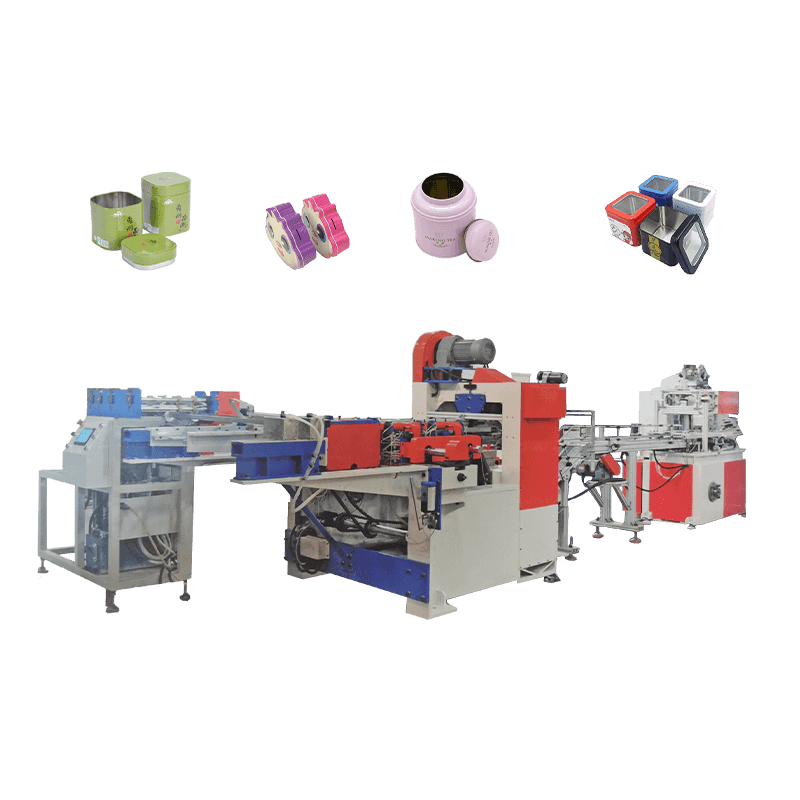
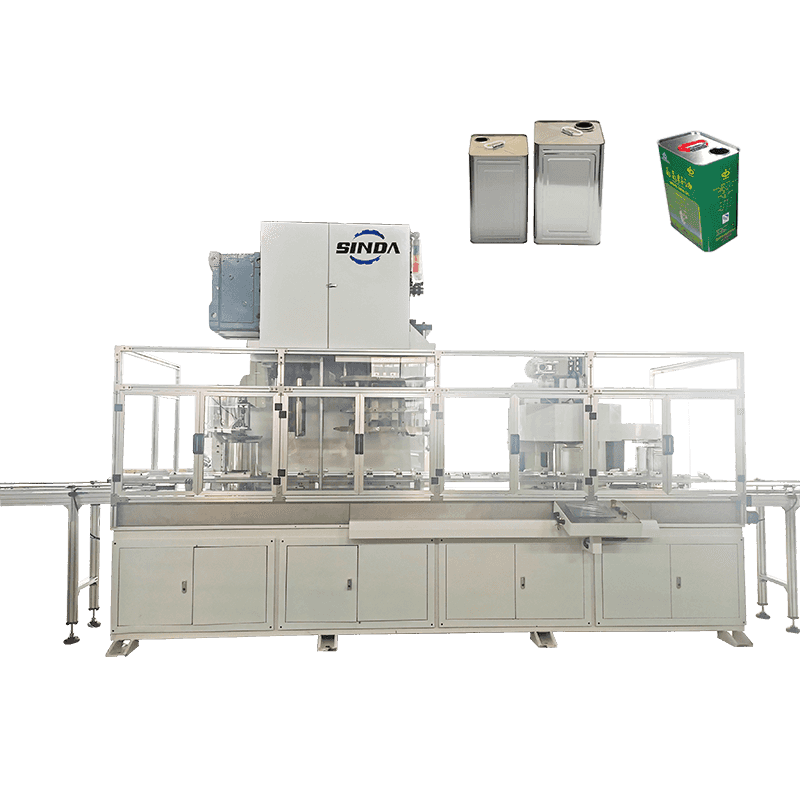
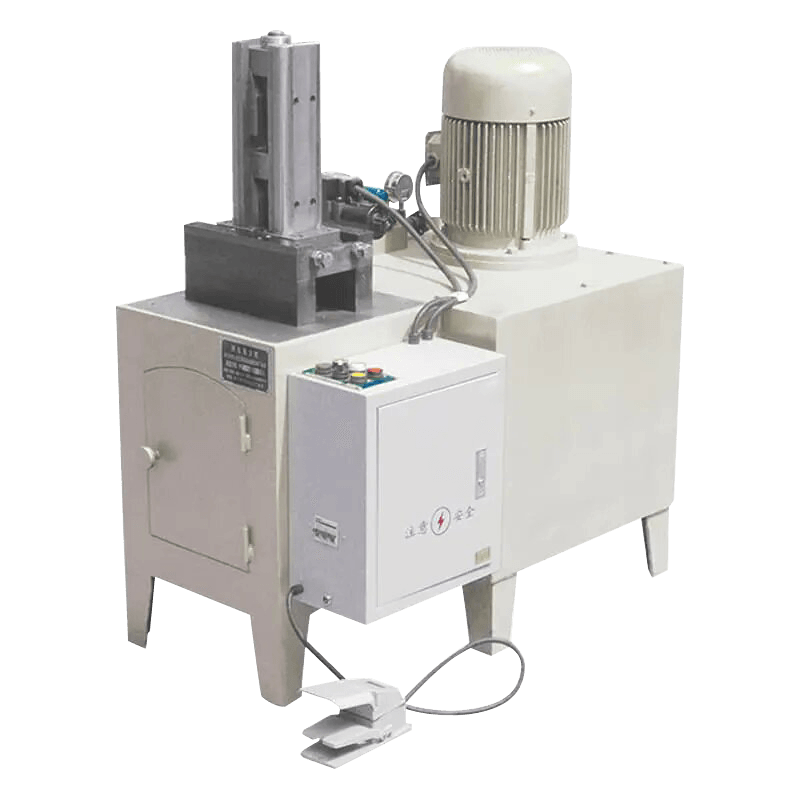
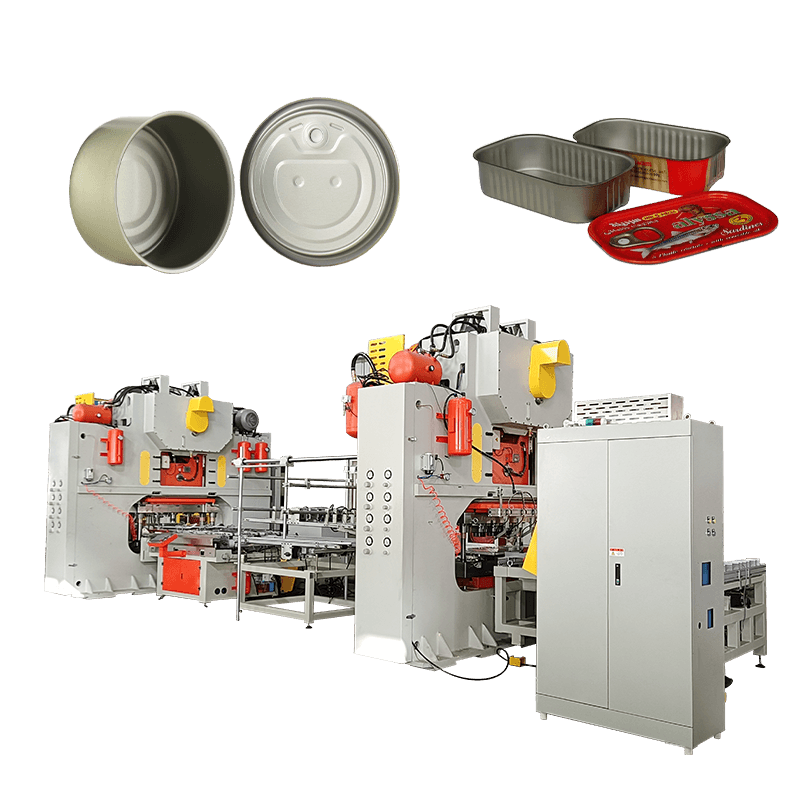
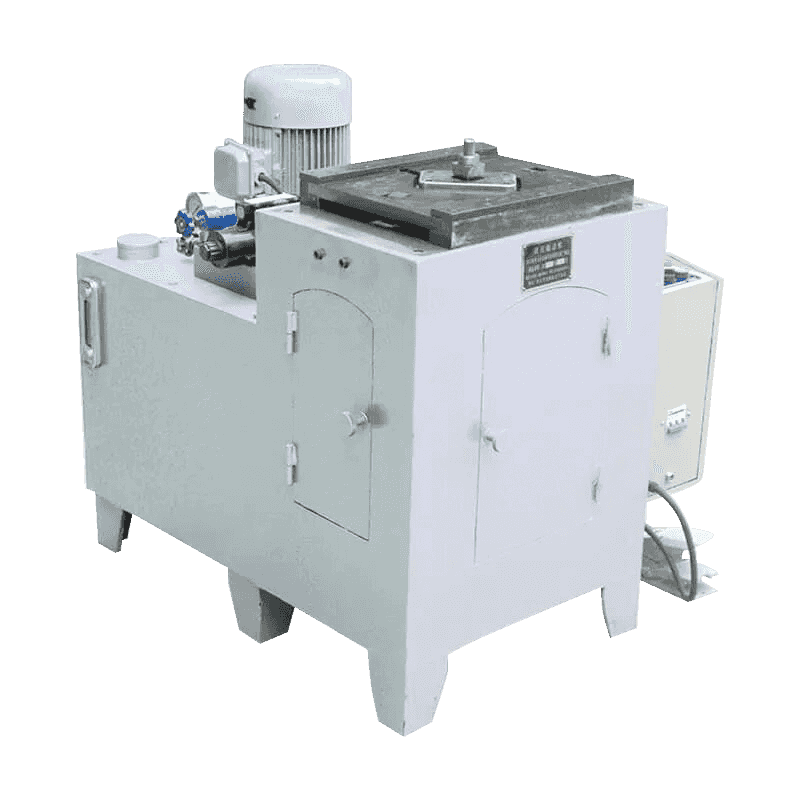
Chemical Tin Can Lines – Specification Table
| Parameter Category | Specification Content | Remarks / Additional Information |
|---|---|---|
| Applicable Product Types | Round, square, rectangular chemical tin cans (1–20L) | Special sizes can be customized according to customer requirements |
| Applicable Materials | Tinplate, chrome-plated steel (0.18–0.40 mm) | Supports printed sheets and coated sheets |
| Maximum Production Speed | 30–120 cans/min (depending on can type) | High-speed lines can be equipped with servo control for improved stability |
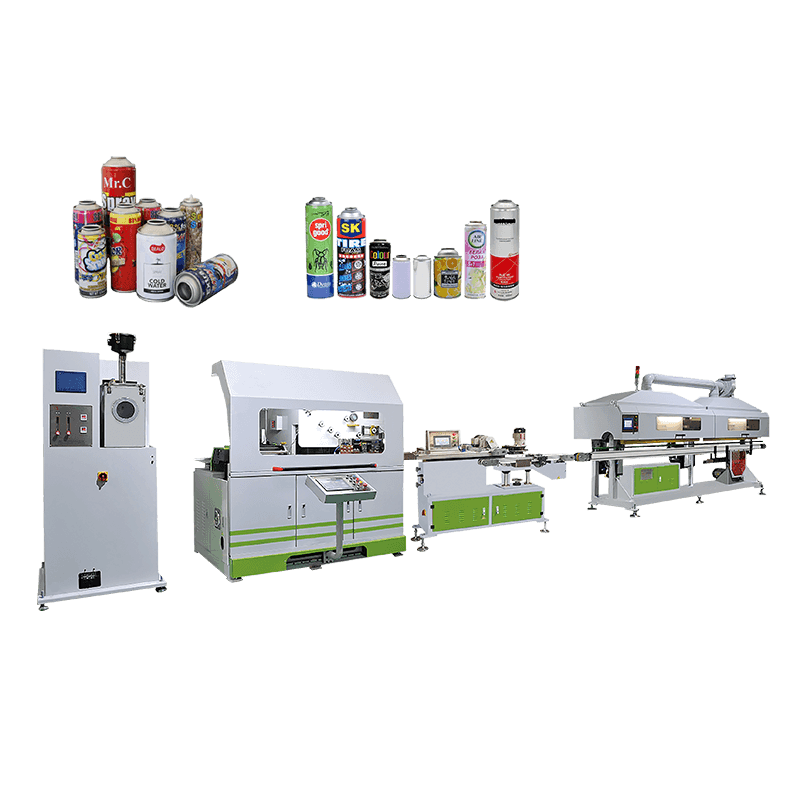
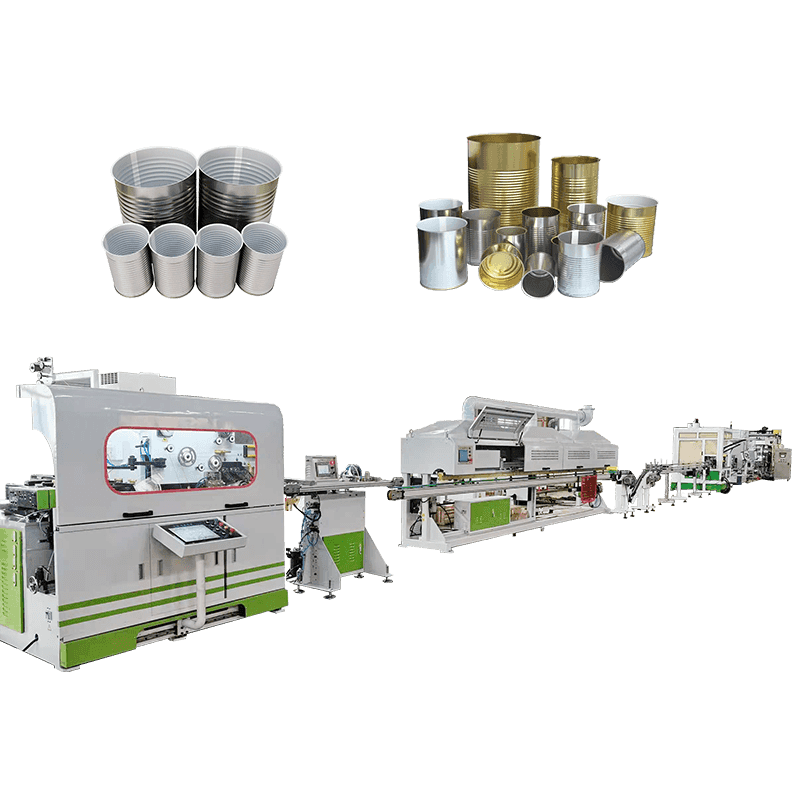
| Basic Composition of Production Line | Uncoiling, slitting, forming, welding, seam painting, drying, flanging, seaming, leak testing, stacking | Modular design allows flexible addition or removal of processes |
| Can Size Range | Diameter Φ65–Φ300 mm; Height 80–380 mm | Square cans can be customized according to side length requirements |
| Welding System | High-frequency welding / resistance welding, supports seam monitoring | Optional automatic seam repair system |
| Control System | PLC automation control (Siemens / Mitsubishi optional) | Can be equipped with touch screen and remote monitoring module |
| Changeover Time | 15–45 minutes | Quick mold change design reduces downtime |
Application
Packaging of Chemical Liquids
Chemical tin can lines are widely used for packaging various chemical liquids such as paints, coatings, solvents, lubricants, and other liquid chemicals. The production line allows for the efficient manufacturing of tin cans with different shapes and capacities to meet diverse storage, transportation, and sales requirements.
Flexible Can Shapes and Sizes
These production lines can produce round, square, and rectangular tin cans ranging from 1L to 20L, and can be customized according to customer specifications. This flexibility makes them suitable for a wide range of chemical products and packaging needs.
High-Quality Sealing and Durability
Equipped with high-frequency or resistance welding systems, chemical tin can lines ensure reliable sealing and pressure resistance of the cans. Additional features like seam painting, drying, and leak testing guarantee product safety and stability.
Support for Various Materials
The lines are compatible with tinplate and chrome-plated steel of different thicknesses, and can handle printed sheets or coated boards according to production requirements, providing versatility for different chemical packaging applications.
Automation and Efficiency
PLC automated control systems, with optional touch screens and remote monitoring modules, allow precise and efficient management of the production process. Quick mold change designs reduce downtime, making the lines ideal for multi-specification chemical product production.
Safety and Environmental Compliance
With auxiliary equipment such as drying, waste disposal, and coating devices, chemical tin can lines help ensure that the production process meets industry safety and environmental standards. Modular design allows flexible addition or removal of production steps as needed.
Advantage
High Production Efficiency
Chemical tin can lines are designed for high-speed production, achieving 30–120 cans per minute depending on can type. The lines can be equipped with servo-controlled systems to ensure stable, continuous operation, reducing downtime and increasing overall productivity.
Versatile Can Compatibility
These lines support the production of round, square, and rectangular cans ranging from 1L to 20L. Special sizes can be customized according to customer requirements, making the production line adaptable to various chemical packaging needs.
Precision Welding and Reliable Sealing
Equipped with high-frequency or resistance welding systems and seam monitoring devices, chemical tin can lines ensure accurate welds and strong can sealing. Optional automatic seam repair systems further enhance product reliability and safety.
Material Flexibility
The production lines handle a variety of materials, including tinplate and chrome-plated steel (0.18–0.40 mm), as well as printed or coated sheets. This allows manufacturers to produce high-quality cans suitable for different chemical products.
Automation and Smart Control
PLC-based automated control systems (Siemens or Mitsubishi optional) provide precise operation and easy monitoring. Touchscreen interfaces and remote monitoring modules enhance operational control and facilitate real-time management.
Quick Changeover
With quick mold change designs, changeover times range from 15 to 45 minutes, enabling manufacturers to switch between different can sizes or types efficiently, reducing downtime and improving production flexibility.
Modular Design and Expandability
The modular structure of the production line allows for flexible addition or removal of processes, such as welding, seam painting, drying, flanging, seaming, leak testing, and stacking. This ensures the line can be adapted to specific production requirements and future upgrades.