


 English
 عربى
عربى русский
It is for rectangular shape forming. Semi-automatic rectangular tin can forming machine is mainly us...
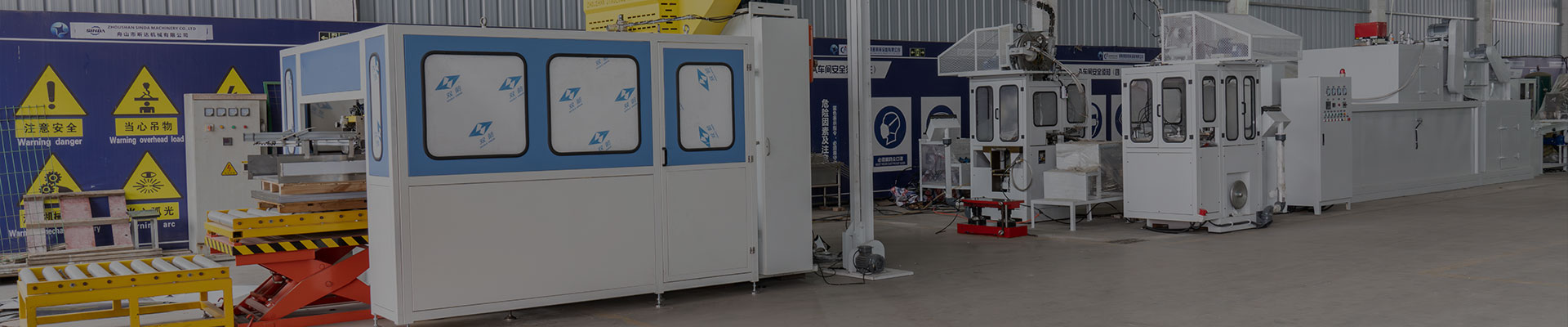
Tin Can Making Machines & Production Line Custom
Home / Products
Tin Can Making Machines & Production Line Manufacturers


-
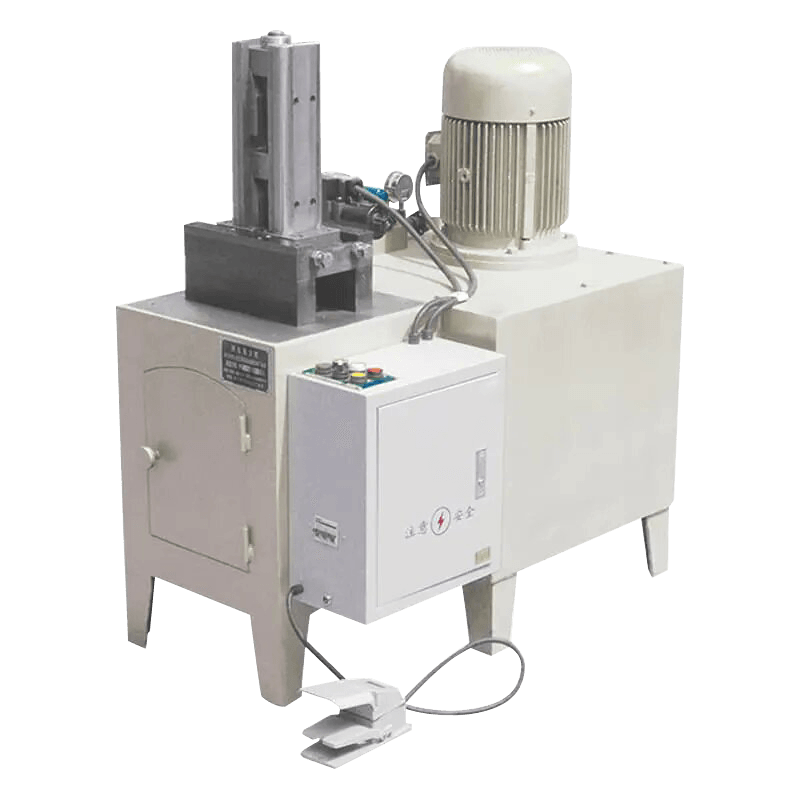
Rectangular Tin Can Forming Machine
It is for rectangular shape forming. Semi-automatic rectangular tin can forming ...
-
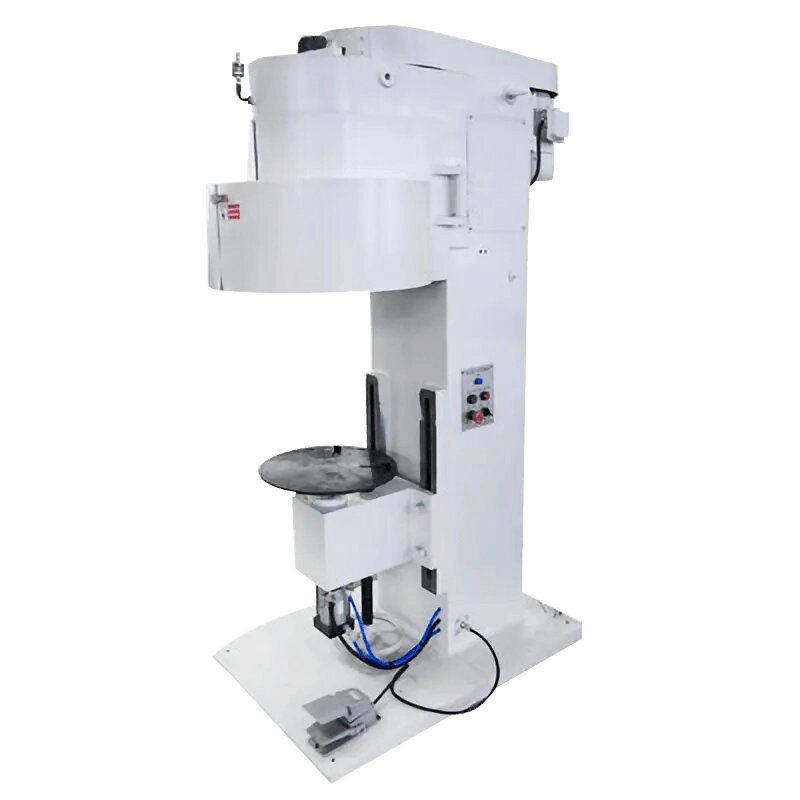
Seaming Machine
The Seaming Machine is a specialized equipment used for sealing the bottom and t...
-
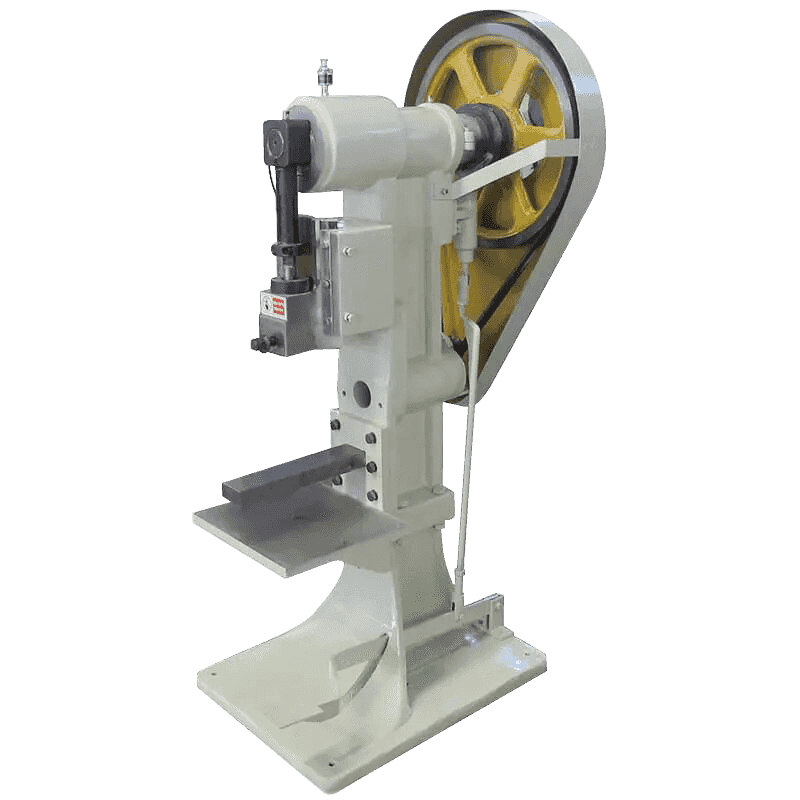
Side Seam Locking Machine
The Side Seam Locking Machine is a side seam sealing equipment specifically desi...
-
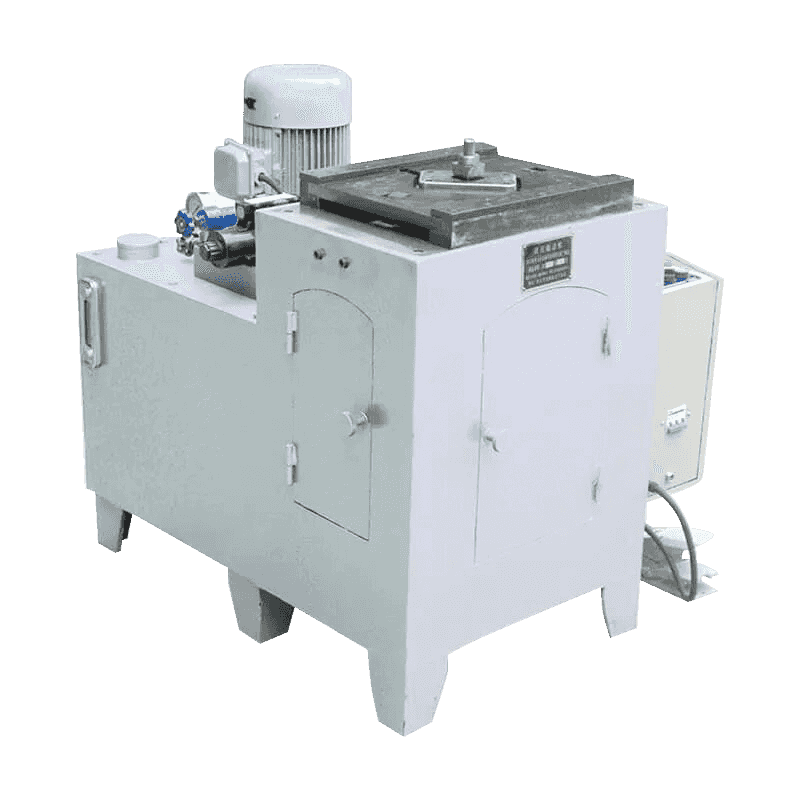
Square Cans Foming & Flanging Machine
The Square Cans Forming & Flanging Machine is a specialized piece of equipme...
-
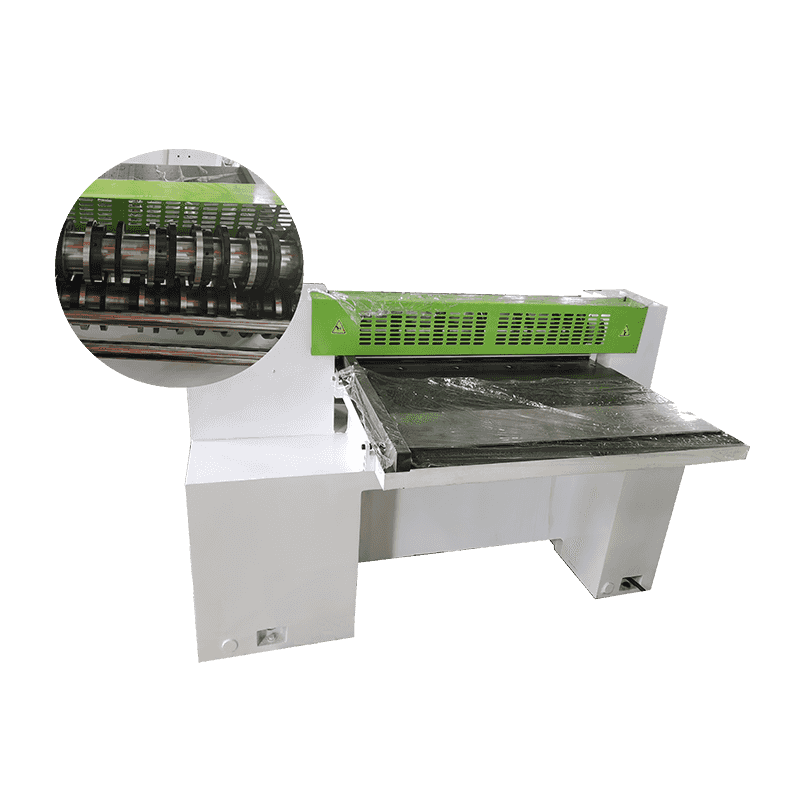
Semi-Automatic Gang Slitter
The Semi-Automatic Gang Slitter is a semi-automatic slitting machine specificall...
-
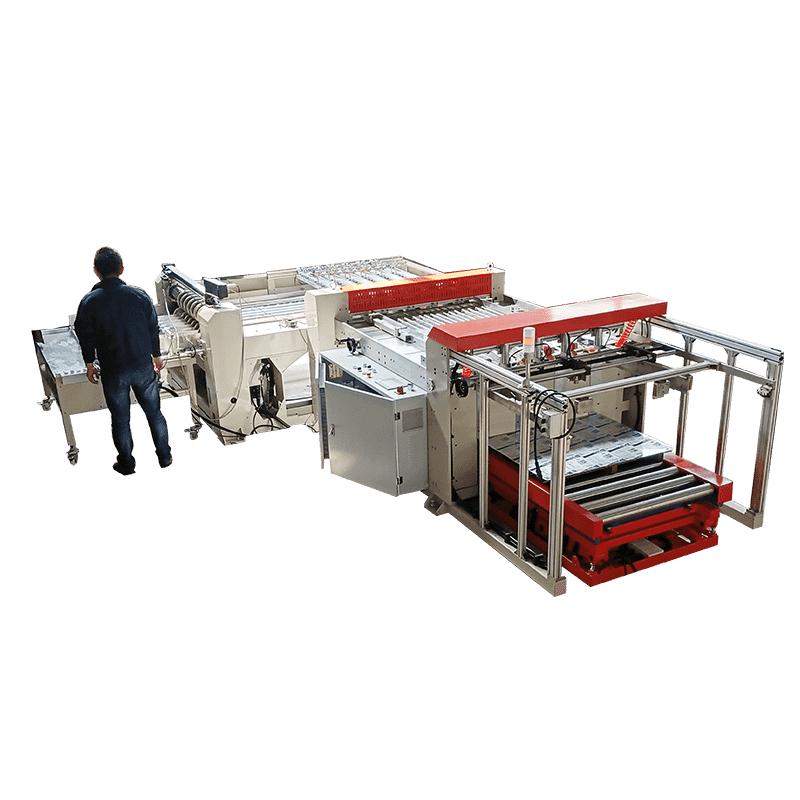
Duplex Slitter
The Duplex Slitter is a key piece of equipment widely used in three-piece can pr...
-
-
Seaming Machine
Read MoreThe Seaming Machine is a specialized equipment used for sealing the bottom and top lids of metal can...
-
Side Seam Locking Machine
Read MoreThe Side Seam Locking Machine is a side seam sealing equipment specifically designed for irregularly...
-
Square Cans Foming & Flanging Machine
Read MoreThe Square Cans Forming & Flanging Machine is a specialized piece of equipment used in the formi...
-
Semi-Automatic Gang Slitter
Read MoreThe Semi-Automatic Gang Slitter is a semi-automatic slitting machine specifically developed for the ...
-
Duplex Slitter
Read MoreThe Duplex Slitter is a key piece of equipment widely used in three-piece can production, specifical...
About Us
Zhoushan Sinda Machinery Co., Ltd.
The professional manufacturer and solution maker for metal packing machinery, which is located in Zhoushan, the main production base of metal packing machinery and equipment in China. As China Tin Can Making Machines Manufacturers and Tin Can Production Line Factory, we mainly focus on various automatic can-making and metal lids lines and other metal packaging machines, including Easy open-end (EOE) Production Lines, 2-piece DRD Can lines, Food Tin Can lines, Chemical Tin Can Lines, Fancy Tin Can Line, Aerosol Dome & Cone Line, Metal Lids & Bottom Production Line, Duplex Slitter...
As a rich experienced manufacturer & exporter in the metal packing machinery field, we provide our clients not only the suitable solutions and high-quality machines but also the lifetime after-sale service.
We manufacture and provide the following packing machinery:
Easy Open End (EOE) Production Line
2 Piece DRD Can Production line
Metal Lid/Bottom Production Line
Aerosol Tin Can Production Line
3 Piece Food Tin Can Production Line
Fancy Tin Can Making Machines & Production Line
Chemical Tin Can/Pail Making Machines & Production Line
Semi-automatic machines
Slitter
Molds
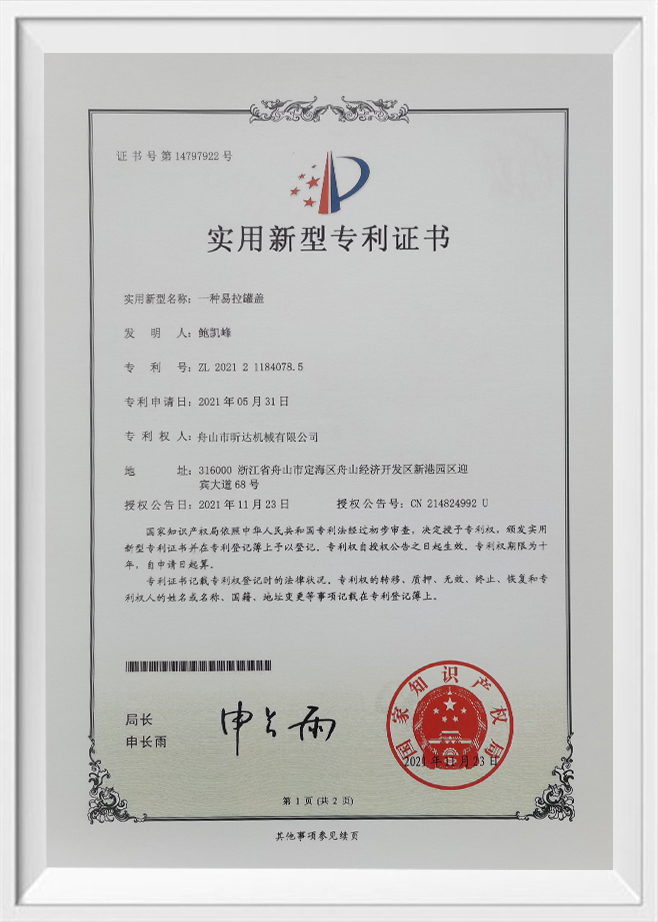
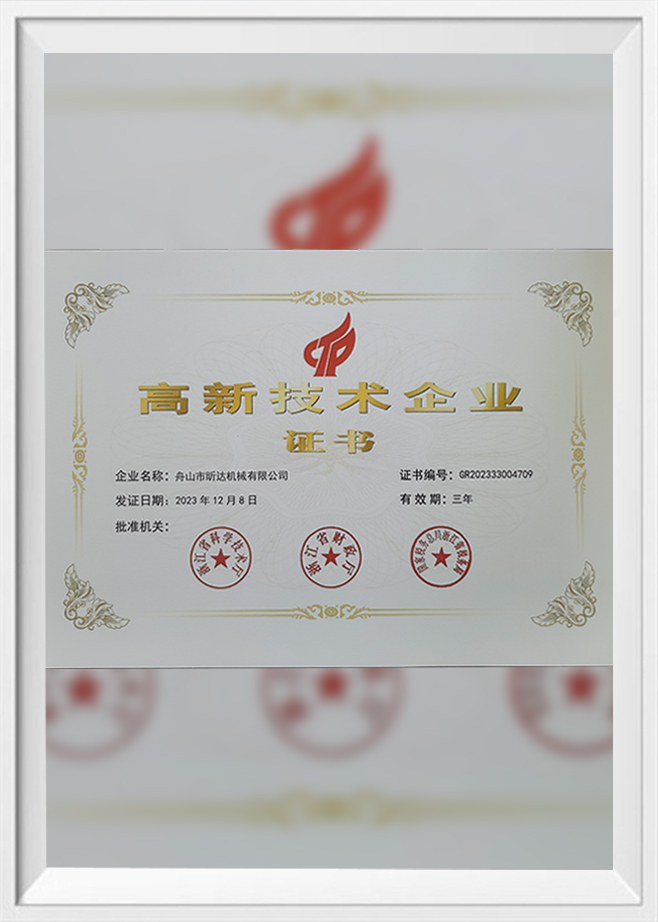
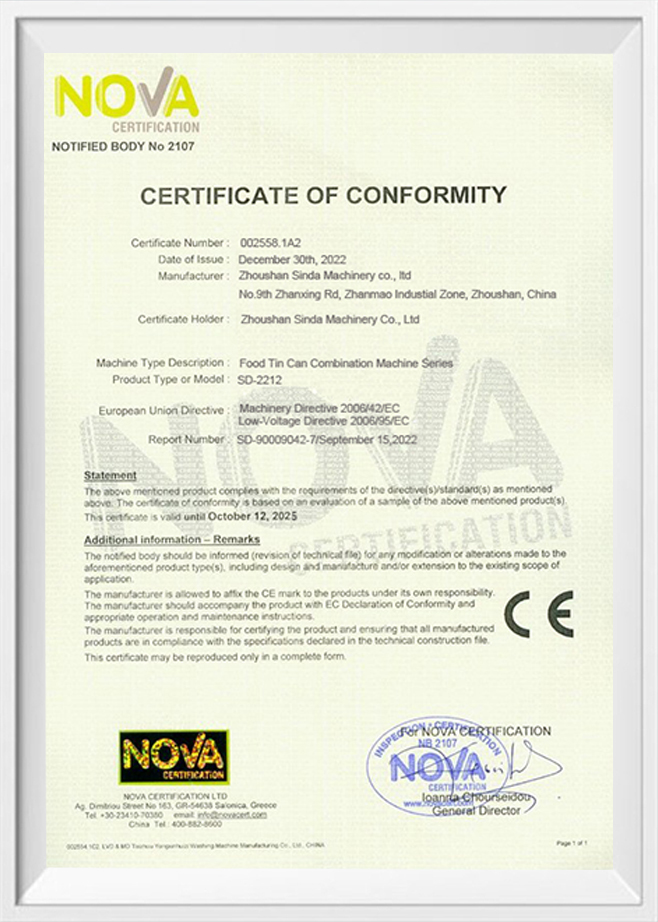
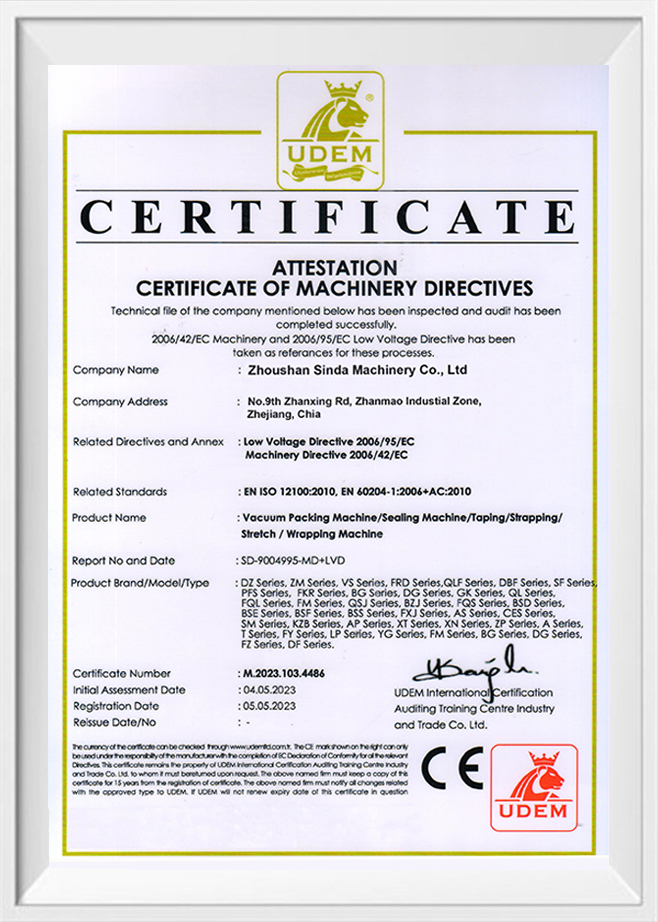
Certificate Of Honor
News
-
Designing or upgrading an automated metal lid production line requires a strategic trade-off between dedicated ultra-high-speed mechanical systems a...
READ MORE -
The output speed and defect rate of an aerosol tin can production line depend far more on how well the forming, seaming, and testing stages are matc...
READ MORE -
Manufacturing metal packaging for pressurized goods requires a highly specialized aerosol tin can production line to deliver exceptional burst-streng...
READ MORE -
The Industrial Necessity and Sealing Efficiency of Automated Lug Cap Manufacturing Operating a state-of-the-art twist off lug cap production line pro...
READ MORE
Message Feedback
Industry knowledge
What are the welding technologies of TIN CAN MAKING MACHINES and how to choose the appropriate welding technology?
TIN CAN MAKING MACHINES, or metal can manufacturing machines, are an indispensable part of modern industry and are widely used in industries such as food, beverage, chemical and pharmaceutical. One of the key links of these machines is welding technology. The choice of welding technology directly affects production efficiency, product quality and manufacturing cost. Common welding technologies include resistance welding, high-frequency welding, laser welding and ultrasonic welding, each of which has its own characteristics and scope of application.
Resistance welding is a technology that generates heat by passing an electric current through the metal of the can body to achieve welding. This technology includes two forms: spot welding and seam welding. Spot welding is suitable for small-area connections. The workpiece is clamped by two electrodes and energized. The high temperature generated at the contact point melts the metal to form a weld. Seam welding is used for continuous welding of long seams and is suitable for longitudinal welding of the can body. The advantage of resistance welding is that its equipment cost is low and the process is relatively simple, but for some high-demand welding tasks, its weld quality and aesthetics may not be as good as other technologies.
High-frequency welding uses the resistance heat generated by high-frequency current between metals for welding, and is widely used in the rapid welding of thin-walled metal materials. High-frequency welding has become a common technology in the production of metal cans due to its high speed and high weld quality. High-frequency welding equipment can complete welding in a very short time, improve production efficiency, and is suitable for large-scale industrial production. However, the maintenance and debugging requirements of high-frequency welding equipment are high, and technicians need to have certain professional knowledge.
Laser welding is a high-precision, high-speed welding technology that uses a high-energy laser beam to heat and melt the metal to achieve welding. Laser welding is suitable for can manufacturing that requires high precision and high requirements. It has the advantages of small heat-affected zone, narrow weld, and fast welding speed, and is very suitable for the production of metal cans with complex shapes and high precision requirements. However, laser welding equipment is expensive and has a large initial investment, but its high-quality welding effect and long service life can offset the high equipment cost to a certain extent.
Ultrasonic welding uses high-frequency ultrasonic vibration to locally heat and melt the metal surface for welding. This technology does not require the addition of welding materials, has a fast welding speed, and is suitable for certain types of metal materials. The advantages of ultrasonic welding are its environmental protection characteristics and low operating temperature, but its scope of application is relatively limited, mainly used for the production of metal cans of specific materials and shapes.
Choosing the right welding technology requires comprehensive consideration of multiple factors. The first is the type of material. Different metal materials have different welding characteristics. For example, aluminum and steel have different requirements and treatment methods when welding. The second is the thickness of the can body. Thin-walled and thick-walled can bodies require different welding methods. High-frequency welding and laser welding are more suitable for thin-walled materials, while resistance welding is suitable for thicker materials.
Production speed is also a key factor. In large-scale production, high-frequency welding and laser welding can better meet the needs of high-efficiency production due to their fast welding speed. On smaller-scale or low-speed production lines, resistance welding can also provide sufficient efficiency.
The requirements for welding quality directly affect the choice of technology. If the quality of the weld is very high, especially if seamless welding or beautiful welds are required, laser welding may be more suitable. Laser welding can provide very detailed and precise welds to meet the needs of high-end products.
Cost is also a factor that cannot be ignored. Although laser welding equipment is expensive, its welding quality is excellent and suitable for long-term investment. Resistance welding and high-frequency welding equipment are relatively cheap and suitable for enterprises with less initial investment. However, in some cases, the welding quality of resistance welding and high-frequency welding may not be as good as laser welding, which requires weighing the pros and cons when choosing.
Different application scenarios will also affect the choice of welding technology. For example, food cans have high requirements for the quality and safety of welds, and high-frequency welding or laser welding may be required to ensure that the product meets food safety standards. In other occasions where the requirements for welds are lower, resistance welding or ultrasonic welding can also provide sufficient performance.

Tel: +86-13967231355
FAX: +86-0580-2023221
Email: a13967231355@163.com
Address: No. 68, YingBin Rd, Xingang Industrial Park, Zhoushan Economic Development Zone, Zhoushan, Zhejiang, China
Copyright © Zhoushan Sinda Machinery Co., Ltd. All Rights Reserved

Custom Tin Can Making Machines & Production Line Manufacturers