English
 عربى
عربى русский
The Industrial Necessity and Sealing Efficiency of Automated Lug Cap Manufacturing
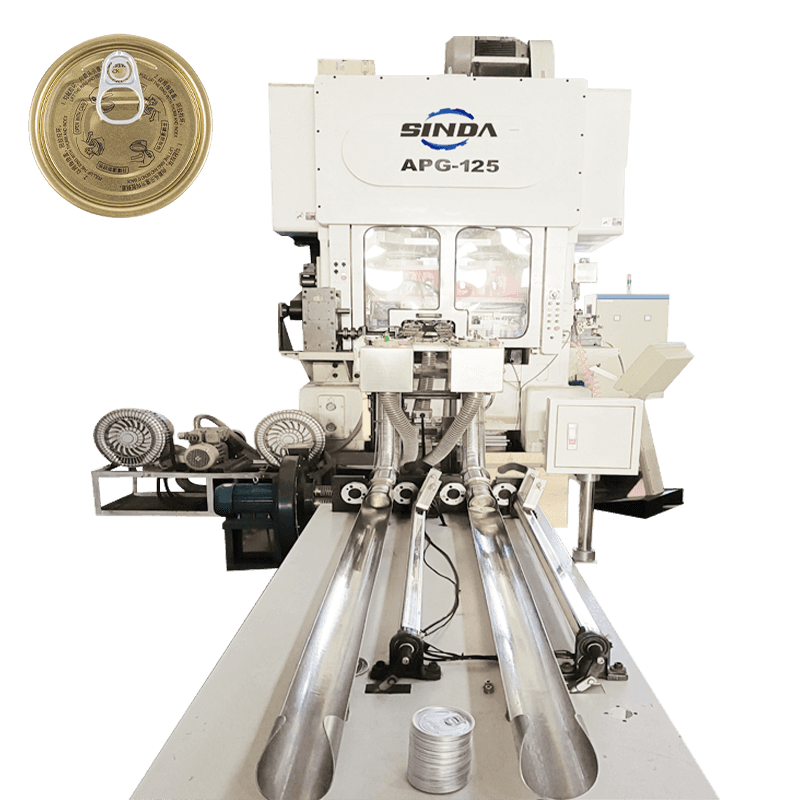
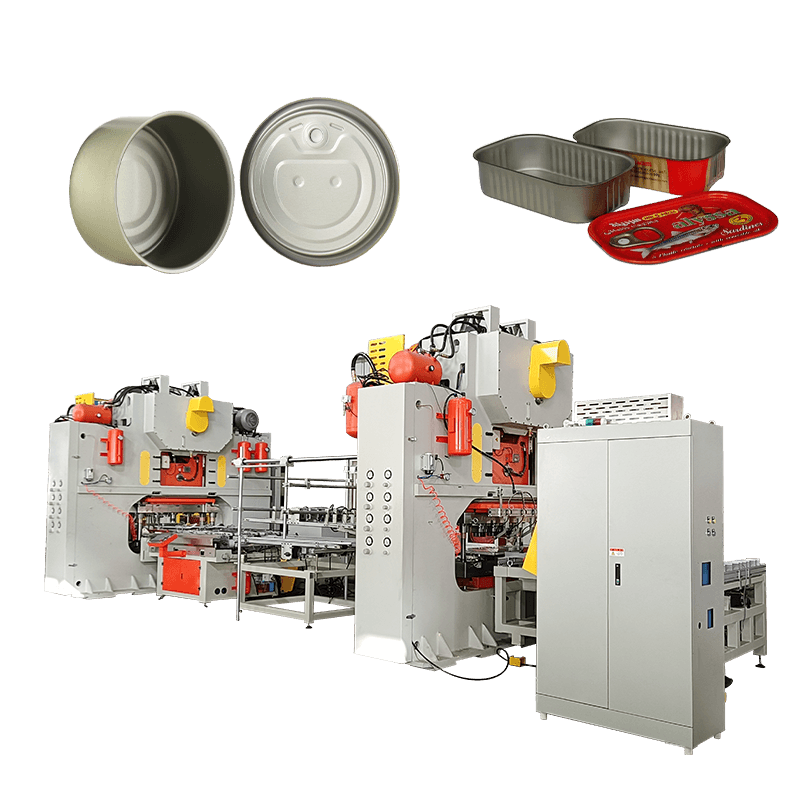
Operating a state-of-the-art twist off lug cap production line provides modern food packaging plants, glass container manufacturers, and commercial canneries with a highly optimized, hermetically secure solution for producing vacuum-seal closures. By integrating high-tonnage sheet feeding presses, multi-die forming tools, automated lug-curling stations, and high-precision plastisol compound lining systems, these machinery setups turn flat, lacquered tinplate sheets into functional metal closures. This automated manufacturing setup delivers an operational throughput exceeding 800 caps per minute during continuous high-speed runs. This performance keeps pace with rapid food filling lines and drops closure-related vacuum failures to less than 1 unit per 150,000 filled jars, outperforming legacy continuous-thread designs in hot-fill and retort preservation processing.
In the competitive food preservation industry, maintaining a reliable vacuum seal is essential for shielding perishable items like sauces, pickles, and baby food from oxidation and bacterial spoilage. Twist-off lug caps seal tightly with just a partial turn, making them highly convenient for consumers while ensuring strong resealing performance. Unlike continuous-thread caps that require spinning the closure around the entire glass finish, lug profiles grip matching glass threads via inward-curved metal clips. A dedicated production line must form these clips with tight structural accuracy; even a fractional millimeter variance can cause a total loss of internal vacuum during pasteurization cook cycles.
Mechanical Forming Mechanics and Plastisol Compound Injection
The manufacturing path of a lug cap relies on a sequence of metal-stamping dies and thermal curing ovens. Each step is carefully calibrated to prevent scratching the protective internal coatings.
Multi-Die Blanking and Pre-Curling Operations
Printed and lacquered tinplate sheets are fed into a scroll-shearing line that cuts them into zigzag strips to minimize web scrap. These strips advance into a multi-die stamping press, where blanking punches stamp out circular metal discs and draw them into shallow cap shells in a single stroke. The raw edges pass immediately to curl-forming rollers that fold the sharp perimeter inward, building a rounded edge that strengthens the shell and forms the foundation for the holding lugs.
Precision Compound Lining and High-Temperature Gelation
Once the lugs are formed, the caps are flipped upside down and fed into a dynamic lining station. Fast-spinning injection nozzles inject a precise ring of liquid plastisol compound into the inside channel of the cap. The caps travel directly into a gas-fired or induction curing oven heated to 180°C to 210°C. This thermal exposure bakes and expands the liquid compound into a soft, resilient rubber gasket capable of molding to the glass jar rim during filling operations.
Comparative Design Evaluation: High-Speed Lug Cap Lines vs. Continuous Thread (CT) Cap Machinery
Selecting the right closure manufacturing system requires analyzing production speeds alongside material utilization factors, thread-forming complexities, and suitability for thermal processing. The comparison table below highlights the differences between these two closure strategies.
| Technical Engineering Parameter | Twist Off Lug Cap Production Line | Continuous Thread (CT) Screw Cap Line |
|---|---|---|
| Maximum System Output Velocity | Superior (Up to 1,000 caps/min via rotary configurations) | Moderate (Restricted to 400 - 500 caps/min due to thread depth) |
| Tinplate Material Utilization Yield | Optimized (Shallow drawing depth reduces raw metal strip width) | Standard (Deeper skirt dimensions require larger blank areas) |
| Forming Mechanism Assembly Profile | Complex (Demands distinct rotary pocket segment jaw tools) | Simpler (Relies on progressive thread-rolling mandrels) |
| Retort and Pasteurization Safety Range | Absolute (Vented lug design preserves seals during pressure shifts) | Vulnerable (Rigid thread track can back off under internal expansion) |
| Consumer Application Usability Index | Excellent (Requires only a quarter-turn rotation to release) | Moderate (Demands multiple full rotations to remove) |
The manufacturing data demonstrates why twist-off lug cap lines dominate commercial food packaging facilities. Continuous thread screw caps are well-suited for spirits, dry pharmaceuticals, and chemical bottles where internal pressures stay consistent. However, when processing glass jars inside a high-temperature steam retort autoclave, the thermal expansion of the food contents creates strong internal pressures. Lug caps are engineered to flex slightly under these conditions, venting excess pressure safely before snapping back down to secure a solid vacuum seal during cooling. This safety feature helps prevent jar breakage on the line.
Advanced Inline Inspection Systems and Multi-Lug Forming Stations
Modern high-speed lug cap production lines use computerized optical scanners and automated mechanical forming groups to maintain tight structural tolerances.
- Rotary Segment Jaw Lug Pre-Formers: The smooth, curled shells pass into a specialized rotary wheel equipped with hard steel segment jaws. These jaws expand and compress the metal edge at specific intervals, stamping out 4, 6, or 8 symmetrical, inward-pointing lugs tailored to the final container finish.
- High-Resolution Vision Compound Monitors: Directly after the lining station, high-speed digital cameras scan the inside of every cap. Operating under specialized lighting, the system checks the plastisol ring for gaps, thin spots, or bubbles, automatically flagging defective caps for rejection at full speed.
- Dual-Zone Linear Cooling Conveyors: As the caps emerge from the curing oven, they travel along a cooling track equipped with variable-speed air blowers. This system brings the closure temperature down safely, curing the plastisol compound without causing shrinkage cracks or adhesion loss.
Step-by-Step Production Calibration and Line Setup Protocol
Because small setup errors can lead to line jams or deformed lugs, production teams use a strict calibration sequence when switching between cap dimensions.
- Tinplate Coating Hardness Audit: Measure the scratch resistance of the lacquered tinplate sheets using a standard hardness tester. This verification ensures the coating can withstand the stamping process without scratching, which could expose raw metal to rust.
- Blanking Die Centering and Alignment: Slide the progressive blanking die block into the main press bed and secure it. Use precision feeler gauges to verify that the clearance between the upper punch and lower die ring is uniform across all sides, preventing torn or uneven shell edges.
- Lug Profiler Geometry Micro-Adjustment: Set the mechanical forming jaw depths using a master steel plug gauge (e.g., configuring an 82mm closure to exactly 4 inward lugs with a depth tolerance of plus or minus 0.05mm) to guarantee clean thread engagement.
- Lining Injection Pressure Calibration: Calibrate the pneumatic fluid pump on the lining machine. Adjust the pressure to match the compound's thickness, ensuring a clean injection cutoff that prevents stray material strings from fouling the center of the cap.
- Retort Vacuum Batch Testing: Run a trial batch of caps through the line and seal them onto glass test jars filled with hot water. Process the jars inside a test autoclave system to confirm that the compound creates a tight seal and holds the target vacuum.
Mitigating Varnish Micro-Cracking and Managing Compound Blistering Defects
While professional lug cap manufacturing systems use automated speed and temperature controls, unexpected variations in sheet lubrication or oven air currents can introduce structural defects.
Preventing Internal Varnish Micro-Cracking
Micro-cracking happens if the stamping press draws the tinplate sheet too quickly during the initial shell formation. The sudden mechanical stress can tear the interior protective lacquer layer, leaving tiny fractures that expose raw steel to acidic food contents, which can lead to early rust formation. Production engineers can prevent this cracking by applying an even layer of food-grade synthetic wax to the raw sheets and refining the punch radius curves to ensure smooth, split-free metal drawing.
Controlling High-Temperature Compound Blistering
Compound blistering occurs if the gelation curing oven heats up too quickly directly after the injection station. Fast heating forces the liquid compound's carrier oils to boil off prematurely, trapping gas bubbles under the surface that weaken the final gasket. Operators can avoid these blistering defects by using a multi-zone curing profile that gently pre-heats the caps first, allowing volatile oils to vent cleanly before the plastisol sets into a solid, bubble-free ring.