English
 عربى
عربى русский
If you’ve been following packaging trends lately, you’ve probably noticed one thing: twist-off lug caps are everywhere.
From beverages and sauces to oils and even cosmetics, these caps are a “quiet hero” of modern packaging—simple, reliable, and cheap to produce. But behind every finished cap is a production line that needs to be fast, stable, and consistent.
So today, let’s talk about twist-off lug cap production lines and why they’re gaining so much attention in the manufacturing world.
What Is a Twist-Off Lug Cap Production Line?
In plain terms, it’s the equipment and workflow used to manufacture twist-off lug caps—those caps with small “lugs” or tabs that allow you to twist the cap onto a bottle and seal it tightly.
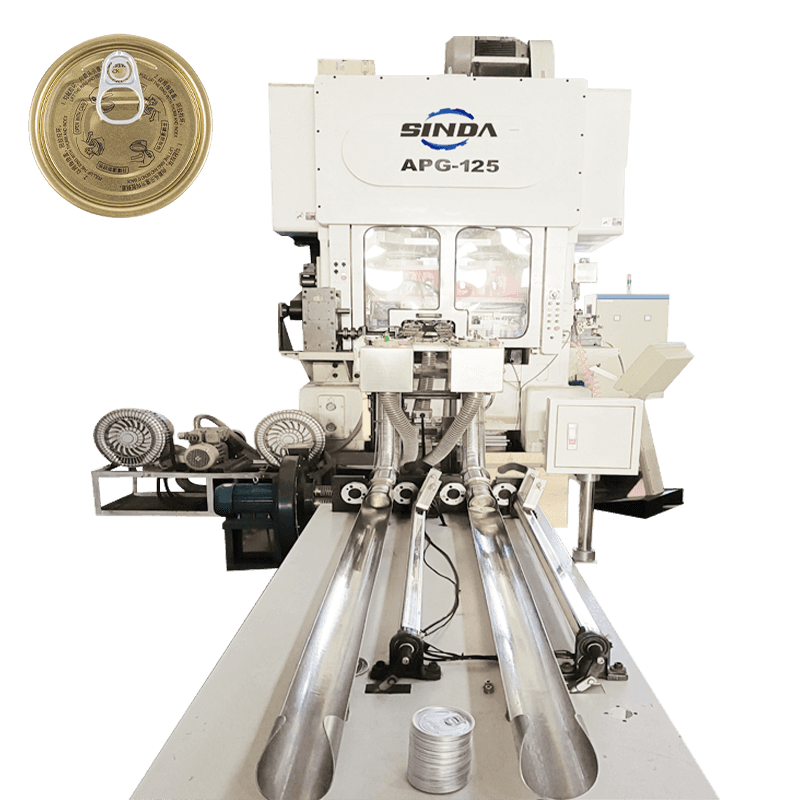
The production line usually includes steps like feeding, molding, trimming, printing, and packing. The whole process is designed to be automated so manufacturers can produce thousands of caps per hour with consistent quality.
Why Is This Important?
Because packaging is no longer just about holding a product. It’s about safety, branding, convenience, and speed.
Twist-off lug caps are important because they:
- - Provide a strong seal
- - Are easy for consumers to open
- - Are cost-effective for mass production
- - Support brand printing and customization
For manufacturers, the production line is what makes all of this possible at scale.
When Are Twist-Off Lug Caps Used?
They’re commonly used in products that need a tight seal but also need to be opened by consumers without tools.
Typical applications include:
- - Beverages (juices, soda, beer, etc.)
- - Sauces and condiments
- - Oils and vinegars
- - Pharmaceuticals (certain bottles)
- - Cosmetics and personal care products
Any product that requires airtight sealing and user-friendly opening is a candidate for twist-off lug caps.
How Does a Twist-Off Lug Cap Production Line Work?
Let’s break it down into a simple flow, like how a factory would explain it on the shop floor.
1. Raw Material Feeding
Plastic pellets (usually PP or PE) are fed into the machine. The quality of the material is the foundation of the entire line.
2. Injection Molding
The pellets are melted and injected into molds. This is where the cap shape and lug design are formed.
3. Cooling & Ejection
Once the caps are formed, they’re cooled and pushed out of the mold automatically.
4. Trimming and Finishing
Some caps require trimming or additional finishing to remove flash or adjust the lug shape.
5. Printing or Decoration (Optional)
If the caps need branding, a printing system is used to add logos, batch numbers, or other designs.
6. Quality Check
This is a crucial step. Caps are checked for dimensions, sealing performance, and appearance.
7. Packing
Finally, caps are packed into bags or cartons, ready to ship.
What Are the Trade-Offs?
Like any manufacturing line, twist-off lug cap production lines come with pros and cons.
Pros
- - High output and automation
- - Consistent quality and reduced human error
- - Supports custom printing and branding
- - Efficient for mass production
Cons
- - High initial investment
- - Requires stable raw material supply
- - Needs regular maintenance and calibration
- - If one part fails, the whole line can stop
In other words, the line is efficient, but it requires discipline and good management.
What Should Manufacturers Pay Attention To?
Here are the practical issues that often decide whether a line is successful or not:
1. Material Quality
Even small changes in plastic quality can affect the cap’s strength, seal, and appearance.
2. Mold Precision
Caps need tight tolerances. If the mold is off by even a fraction, you can get leaks or fit problems.
3. Process Stability
Temperature, pressure, and cycle time must be stable. Otherwise, you’ll see inconsistent caps and higher rejection rates.
4. Quality Control Systems
Automated inspection systems can help detect defects early and reduce waste.
5. Maintenance and Support
Every production line needs regular maintenance. Having quick support is key to minimizing downtime.
Why the Industry Is Paying More Attention Now
With global demand for packaged goods rising, manufacturers are under pressure to produce more, faster, and cheaper.
That’s why twist-off lug cap production lines are becoming more important. They offer the speed and consistency needed to keep up with market demand.
And as consumers demand better packaging and safer seals, production lines must evolve to meet higher standards.
Final Thoughts
Twist-off lug cap production lines may not be glamorous, but they’re a backbone of modern packaging.
For manufacturers, the key is not just having a line, but running it efficiently—choosing the right materials, ensuring consistent process control, and maintaining quality every step of the way.
When those pieces come together, the result is simple: reliable caps, faster production, and better value for customers.