English
 عربى
عربى русский
Overview of Tin Can Production Lines
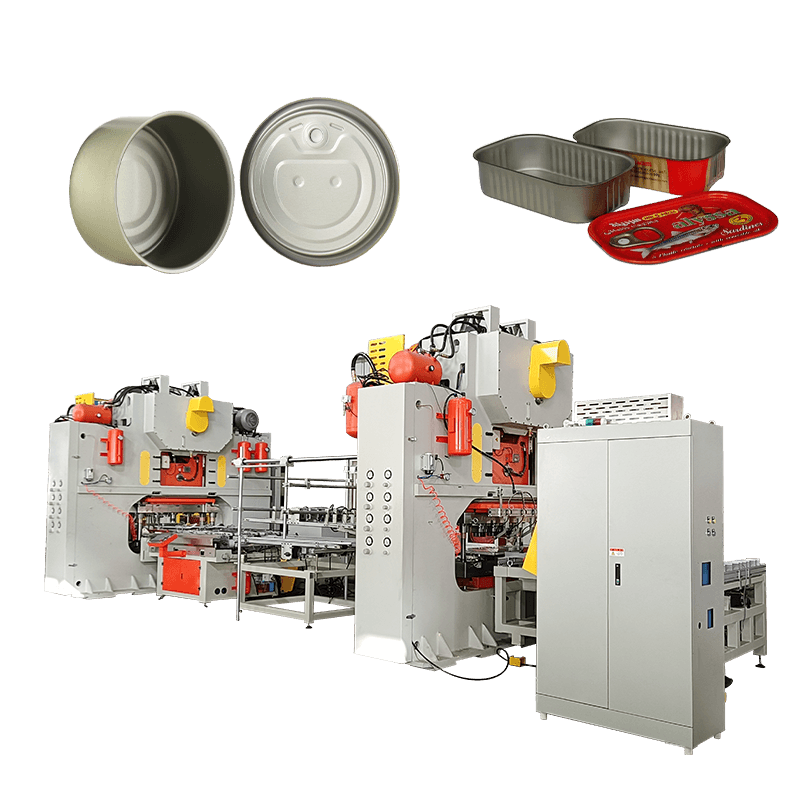
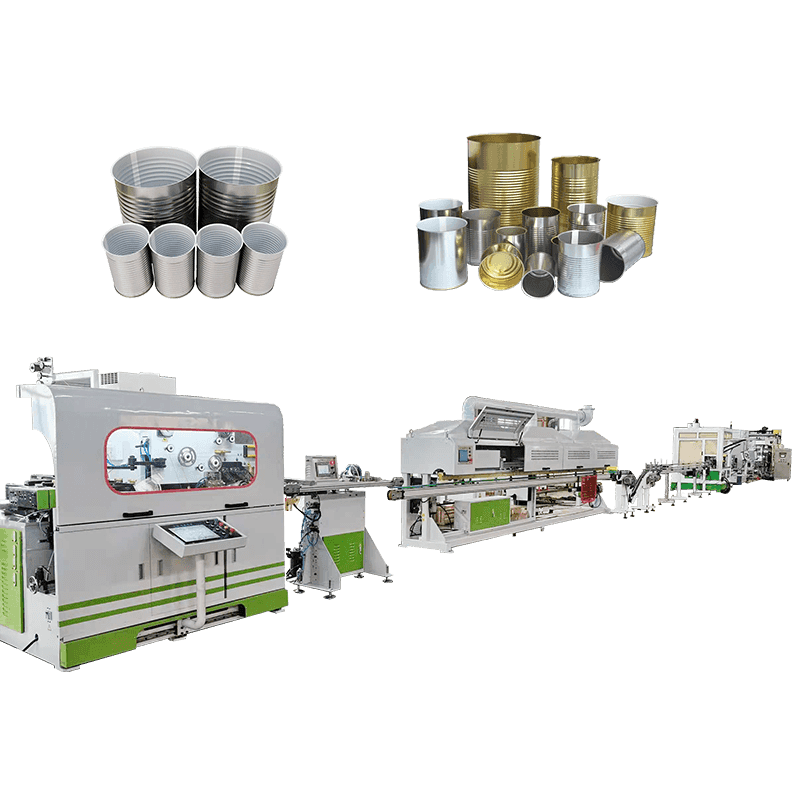
A tin can production line is a complete assembly of machinery designed to manufacture tin cans efficiently and with consistent quality. Modern production lines integrate multiple machines for forming, sealing, and labeling, allowing manufacturers to produce thousands of cans per hour.Whether for food, beverage, or industrial use, tin can production lines optimize material usage, reduce labor, and improve product uniformity compared to manual methods.
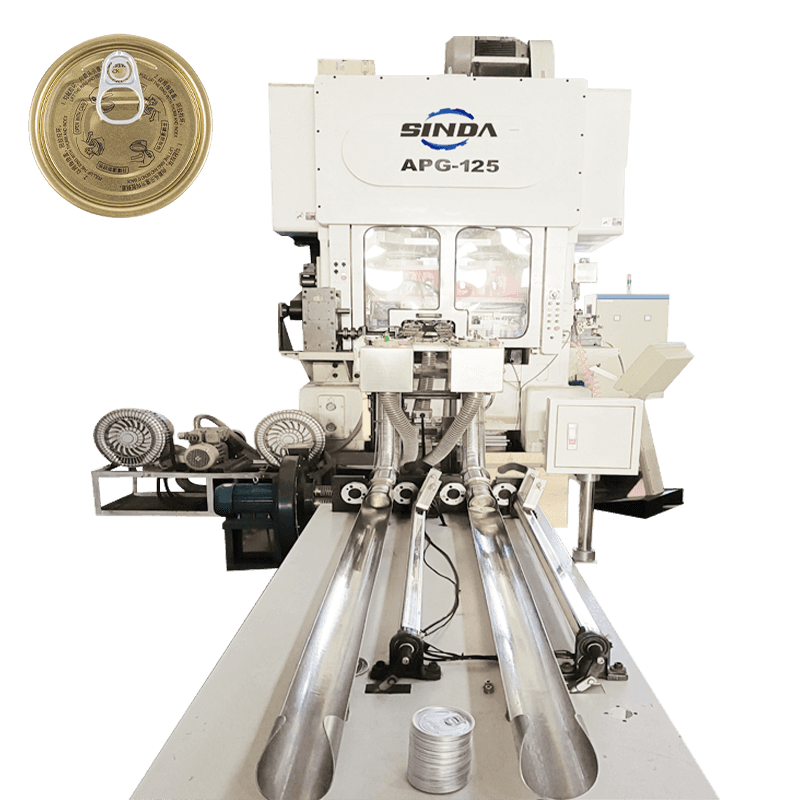
Key Components of a Tin Can Making Machine
A tin can making machine consists of several key units, each designed to perform a specific step in can manufacturing:
- Body Forming Unit: Shapes flat tin sheets into cylindrical bodies through rolling and welding.
- End Seaming Unit: Attaches the top and bottom lids securely to the can body using mechanical or double seaming techniques.
- Printing and Coating Unit: Applies protective coatings and branding prints onto the cans.
- Inspection and Quality Control Unit: Checks for leaks, weld strength, and dimensional accuracy to ensure compliance with standards.
High-end tin can making machines can integrate automated feeding, stacking, and palletizing systems for continuous operation.
Materials Used in Tin Can Production
Tin cans are primarily made from tin-coated steel or aluminum sheets. Key material considerations include:
- Tinplate: Provides corrosion resistance and durability, commonly used for food cans.
- Aluminum: Lightweight and non-corrosive, often used for beverage cans.
- Coatings: Internal lacquer coatings protect food from chemical reactions and ensure product safety.
For example, standard beverage cans are made from 0.25 mm aluminum with internal polymer coatings to maintain flavor integrity.
Production Process Steps
The tin can production process involves several key steps:
- Sheet Uncoiling – Tinplate or aluminum sheets are unrolled for feeding into the body forming unit.
- Body Forming – Sheets are rolled into cylindrical shapes and welded or mechanically seamed.
- Trimming and Necking – Excess material is trimmed, and the can is shaped for lid attachment if required.
- End Seaming – Lids are seamed or double-stitched to ensure airtight sealing.
- Printing and Coating – External branding and internal protective layers are applied.
- Quality Inspection – Cans are tested for leaks, dimensional accuracy, and weld integrity.
- Packaging – Finished cans are counted, packed, and prepared for shipment.
Efficiency Tip: Fully automated lines can produce up to 30,000 cans per hour with minimal human intervention.
Specifications of Tin Can Making Machines
When evaluating a tin can making machine, key specifications to consider include production speed, can size compatibility, and automation level. Below is a reference table:
| Machine Model | Can Diameter (mm) | Can Height (mm) | Production Capacity (cans/hour) | Automation Level |
|---|---|---|---|---|
| TCM-200 | 50–100 | 100–200 | 15,000 | Semi-automatic |
| TCM-500 | 60–120 | 120–250 | 30,000 | Fully Automatic |
Selecting the Right Tin Can Production Line
Choosing the right production line depends on production capacity, can sizes, material types, and automation requirements. Partnering with a manufacturer with proven experience ensures high efficiency, minimal downtime, and consistent product quality.
- Assess your production volume to determine line speed and number of machines required.
- Choose a line capable of handling your desired can diameters and heights.
- Verify the manufacturer offers after-sales support, spare parts, and maintenance training.
- Consider future expansion and integration with labeling, filling, and packaging equipment.
Expert Tip: A fully automated line with inline quality control can reduce labor costs by up to 40% while maintaining consistent product quality.
Maintenance and Efficiency Optimization
Regular maintenance ensures the longevity and efficiency of a tin can production line. Key practices include:
- Lubricate moving parts according to manufacturer specifications.
- Inspect welding and seaming units for wear or misalignment.
- Clean feeding and coating systems to prevent contamination or buildup.
- Calibrate sensors and control systems to maintain accuracy.
- Schedule routine preventive maintenance to avoid unplanned downtime.
Efficiency Note: Implementing predictive maintenance using IoT sensors can increase uptime by 15–20% and extend machine life by several years.