English
 عربى
عربى русский
Direct Conclusion on Semi Automatic Can Making Machines
Semi automatic can making machines provide a cost-effective, precise, and versatile solution for small to medium-scale can production. They balance efficiency with operator control, ensuring high-quality cans for food, beverage, and industrial packaging applications.
Core Features of Semi Automatic Can Making Machines
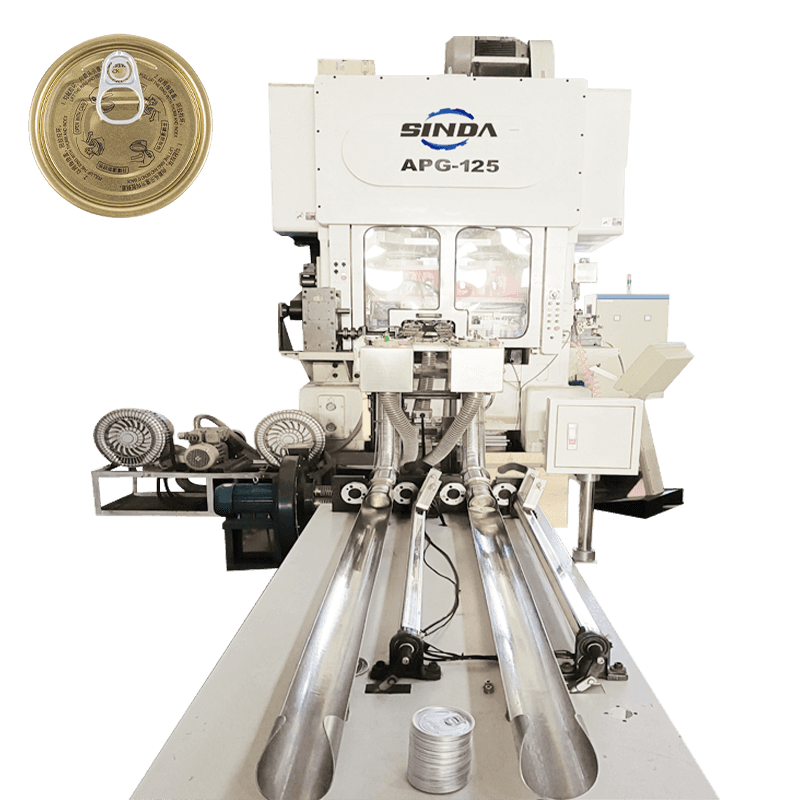
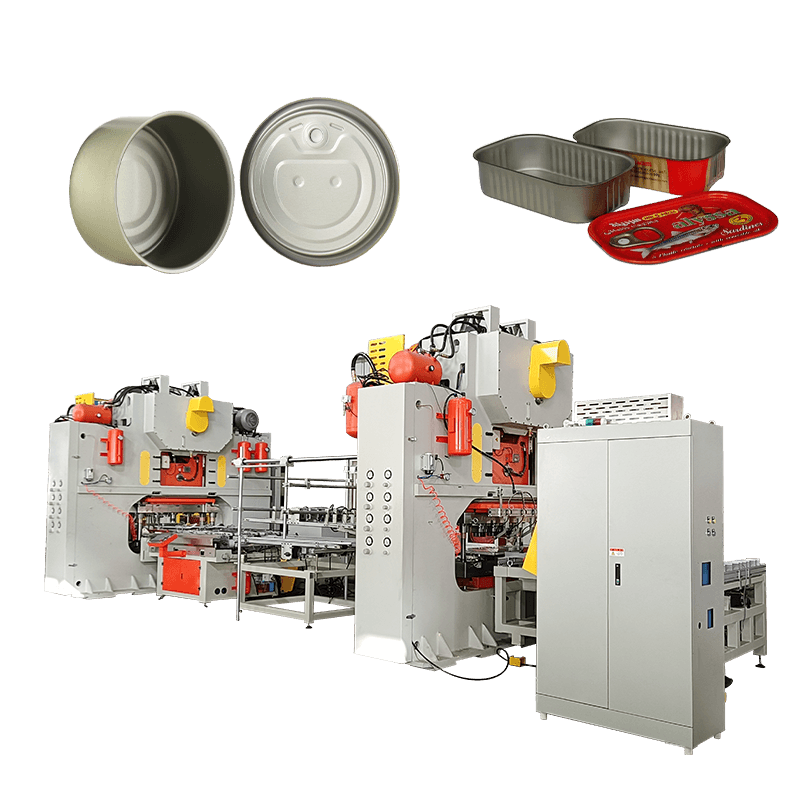
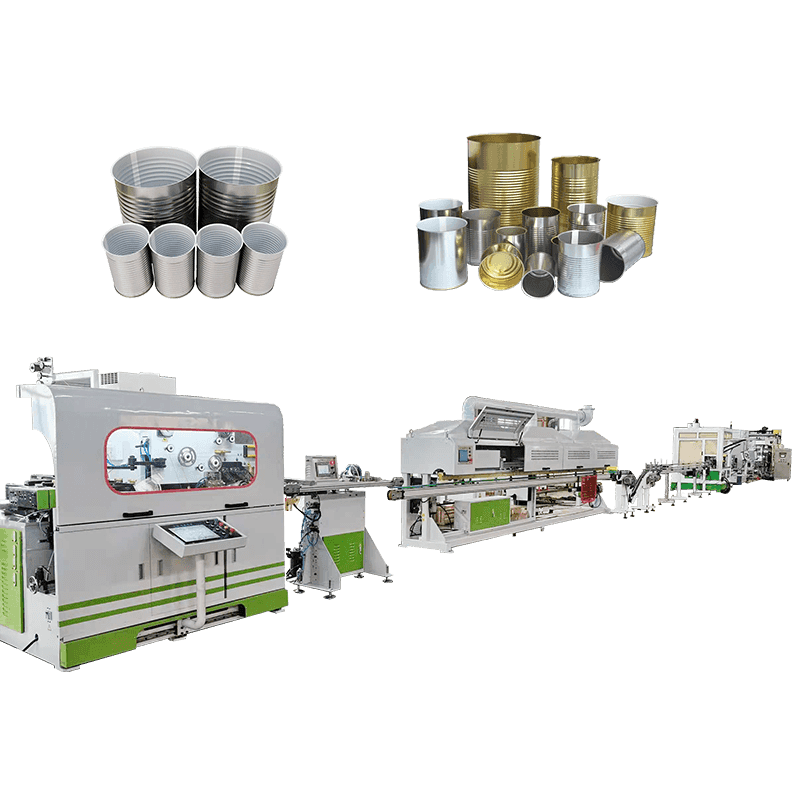
These machines combine mechanical automation with manual input to streamline the can manufacturing process. They are designed to form, seam, and shape metal sheets into finished cans with consistent quality.
Versatile Can Sizes and Shapes
Semi automatic machines can produce a wide range of can diameters and heights. This flexibility allows manufacturers to handle multiple product lines without extensive retooling.
Durable Mechanical Components
The machines feature robust mechanical systems made of high-strength steel and precision bearings. These components ensure stable operation and long machine life, even under continuous production conditions.
Applications in Industry
Semi automatic can making machines are widely used across multiple sectors:
- Food and beverage: production of canned juices, soups, and vegetables.
- Industrial packaging: metal containers for paints, lubricants, and chemicals.
- Pharmaceuticals: sterile metal cans for medicinal products.
- Cosmetics: packaging for creams, oils, and aerosols.
Advantages Over Fully Manual or Automatic Machines
Semi automatic machines strike a balance between automation and operator involvement. Their advantages include:
- Cost-effective production: lower initial investment compared to fully automatic lines.
- Flexible operation: operators can adjust settings for different can sizes quickly.
- High-quality output: consistent seams, dimensions, and surface finish.
- Reduced downtime: easier maintenance and component replacement than fully automatic machines.
Key Operational Considerations
To maximize efficiency and minimize errors, operators must pay attention to machine setup, maintenance, and safety procedures.
Setup and Calibration
- Aligning dies and molds to prevent uneven seams.
- Setting appropriate pressure for different sheet thicknesses.
- Verifying rotational speed and feed rates to match production targets.
Routine Maintenance
- Lubrication of mechanical moving parts.
- Inspection of dies and rollers for wear or damage.
- Periodic calibration checks for dimensional accuracy.
Production Efficiency and Output
While semi automatic machines do not match the speed of fully automated lines, they offer substantial output improvements over manual methods while maintaining precision. Typical production rates range from 200 to 1,000 cans per hour depending on can size and operator skill.
| Can Diameter | Production Rate (Cans/Hour) | Material Thickness |
|---|---|---|
| 52 mm | 500–700 | 0.2–0.3 mm |
| 65 mm | 400–600 | 0.25–0.35 mm |
| 99 mm | 200–400 | 0.3–0.4 mm |
Future Trends in Semi Automatic Can Making
Integration of digital monitoring, IoT connectivity, and enhanced safety features is transforming semi automatic can making machines. These innovations enable operators to monitor production remotely, reduce errors, and optimize material usage.
Additionally, eco-friendly manufacturing approaches, such as energy-efficient motors and recyclable metal sheets, are becoming standard, making semi automatic machines a sustainable option for modern production facilities.