English
 عربى
عربى русский
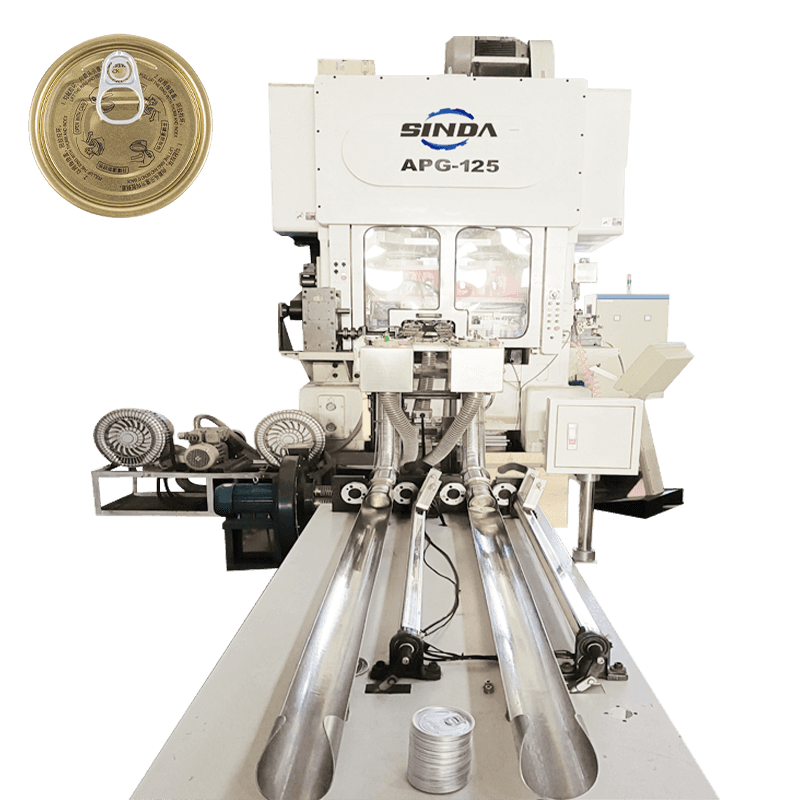
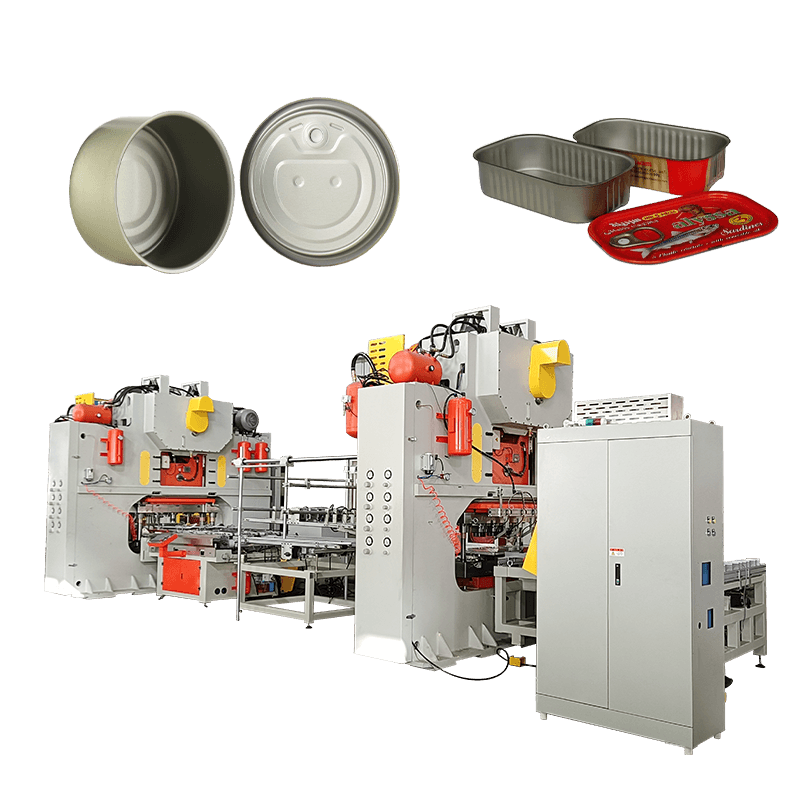
What is a Metal Lid Production Line?
A Metal Lid Production Line is a specialized assembly line designed for the mass production of metal lids, typically used for sealing food, beverage, and pharmaceutical containers. These production lines are highly automated to ensure precision, consistency, and speed in the manufacturing process. With advancements in technology, modern metal lid production lines can handle a wide range of materials, sizes, and lid types, optimizing the production process and improving overall quality control.
Key Components of a Metal Lid Production Line
The metal lid production process involves several key stages, each requiring specialized machinery and equipment. The major components of a typical metal lid production line include:
1. Material Feeding and Cutting
The first step in the production line is material feeding and cutting. Raw metal sheets, typically made from aluminum or tinplate, are fed into the cutting machines, which then cut the sheets into precise circular shapes for the lids. This stage is critical for ensuring that each lid is uniform in size and meets industry standards.
2. Lid Forming
Once the metal sheets are cut, the next step is forming the lids. This involves the use of stamping or pressing machines that shape the lids and create the desired contours. The process ensures the lids are properly formed with a smooth edge to fit the container securely.
3. Coating and Decoration
After the lids are formed, they may undergo a coating process. This could include the application of protective coatings or decorative designs. Coatings are often applied to ensure the lids are resistant to corrosion, especially when they are used for food and beverage packaging. Printing machines may also be used to apply branding, logos, and other designs on the lids.
4. Quality Control
Quality control is a critical aspect of the metal lid production line. Lids are inspected for defects such as scratches, dents, and misformed edges. Automated inspection systems, such as vision-based cameras, are commonly used to detect defects at high speeds and ensure that only lids meeting the required specifications proceed to the next stage.
5. Packing and Storing
Once the lids pass the quality control stage, they are packed into cartons or containers for storage and shipment. Automated packing systems ensure that the lids are stacked efficiently and are ready for transportation to customers or further processing plants.
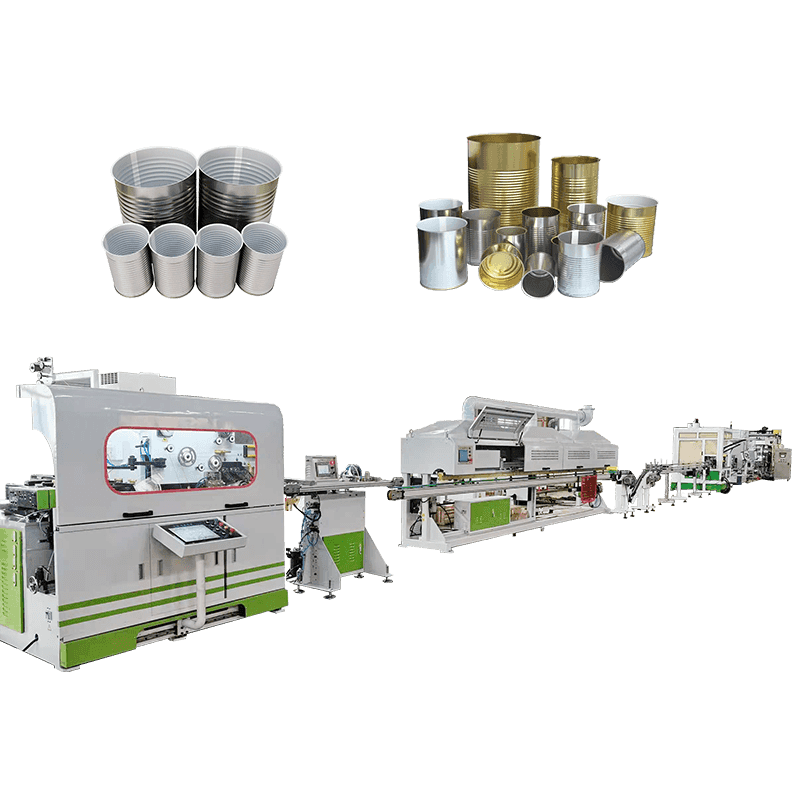
The Bottom Production Line: Importance and Functionality
In addition to the metal lid production line, the bottom production line plays a crucial role in the production of metal containers. The bottom production line is specifically designed to produce the base of metal containers that complement the lids and ensure a complete sealing solution. Like the lid production process, the bottom production line involves several key stages to produce high-quality metal bases.
1. Material Feeding and Cutting
Similar to the lid production line, the bottom production process begins with the feeding and cutting of raw metal sheets. These sheets are cut into circular shapes, the exact dimensions of which are crucial for fitting the lids and forming a complete container. Precision cutting ensures that the bottoms of containers are uniform and can securely hold the contents.
2. Shaping the Bottom
After the metal sheets are cut, they are formed into the desired shape. Typically, a pressing or stamping machine is used to create the curved shape of the container’s bottom. This step is essential to ensure the proper fit between the bottom and the lid, as well as the overall structural integrity of the container.
3. Edge Curling
Edge curling is the process by which the edges of the container’s bottom are rounded or curled. This process is important for ensuring that the bottom can be securely sealed with the lid. It also adds to the structural strength of the container, making it more resistant to damage and leakage during transportation or storage.
4. Coating and Printing
Similar to the metal lid production line, the bottom production line often includes coating and printing stages. The bottoms of containers may receive a protective coating to prevent corrosion, and they may be printed with branding, product information, or other designs.
5. Quality Control and Packing
Quality control is equally important in the bottom production line. The bottoms are carefully inspected for defects or inconsistencies in size, shape, and design. After passing quality checks, the bottoms are packed and prepared for distribution or further processing.
Advantages of Modern Metal Lid and Bottom Production Lines
Modern metal lid and bottom production lines offer several advantages over traditional manufacturing methods. These advantages include:
- Increased efficiency: Automation reduces labor costs and speeds up production cycles, enabling manufacturers to produce large quantities of lids and bottoms in less time.
- Consistency and precision: Automated systems ensure that each lid and bottom is produced to the same high standard, reducing the risk of defects and inconsistencies.
- Cost savings: By improving the production process, manufacturers can reduce waste, energy consumption, and labor costs, leading to overall cost savings.
- Flexibility: Modern production lines are highly flexible and can accommodate a wide range of lid and bottom sizes, materials, and designs to meet various market needs.
- Sustainability: With advancements in technology, production lines are becoming more energy-efficient and environmentally friendly, helping manufacturers reduce their carbon footprint.