English
 عربى
عربى русский
Introduction to Twist-Off Lug Cap Production Lines
Twist-off lug caps are commonly used in various industries, particularly in the food and beverage sector, to seal jars, bottles, and containers. These caps are designed with a set of lugs that securely grip the neck of the container, providing a strong seal that helps preserve the contents. The production of twist-off lug caps involves multiple stages, including material preparation, forming, lug formation, sealing, and packaging. Ensuring that the production line operates efficiently and accurately is essential for maintaining product quality and minimizing waste. Proper adjustment and maintenance of the production line equipment play a crucial role in achieving this goal.
Understanding the Production Process of Twist-Off Lug Caps
The production of twist-off lug caps typically involves several key stages that must be carefully managed to ensure consistent output. The first step is material feeding, where the raw materials, often metal or plastic, are introduced to the production line. The next stage is cap forming, where the material is shaped into the basic form of the cap. After this, the lugs are formed on the cap using specialized dies and punches. The sealing process follows, where a liner is applied to the inside of the cap, ensuring an airtight seal when the cap is twisted onto the container. Finally, the caps are inspected for quality, packaged, and prepared for shipment. Each of these stages requires precise control of equipment settings and regular maintenance to avoid defects and ensure that the caps meet industry standards.
Adjusting the Equipment for Optimal Performance
To ensure that a twist-off lug cap production line operates efficiently, it is necessary to make adjustments to the equipment at various stages of the process. One of the most critical adjustments is to the material feeding system. The speed at which raw material is fed into the system should be adjusted to maintain a consistent flow. If the material flow is too fast or too slow, it can cause jams or result in poorly formed caps. In addition, the forming machines, which shape the cap, must be regularly calibrated to ensure they produce caps that are uniform in size and shape. The pressure and temperature settings for cap forming and sealing must also be carefully controlled. If these settings are not optimized, the caps may become deformed or fail to seal properly, leading to product defects.
Maintaining the Forming Machines
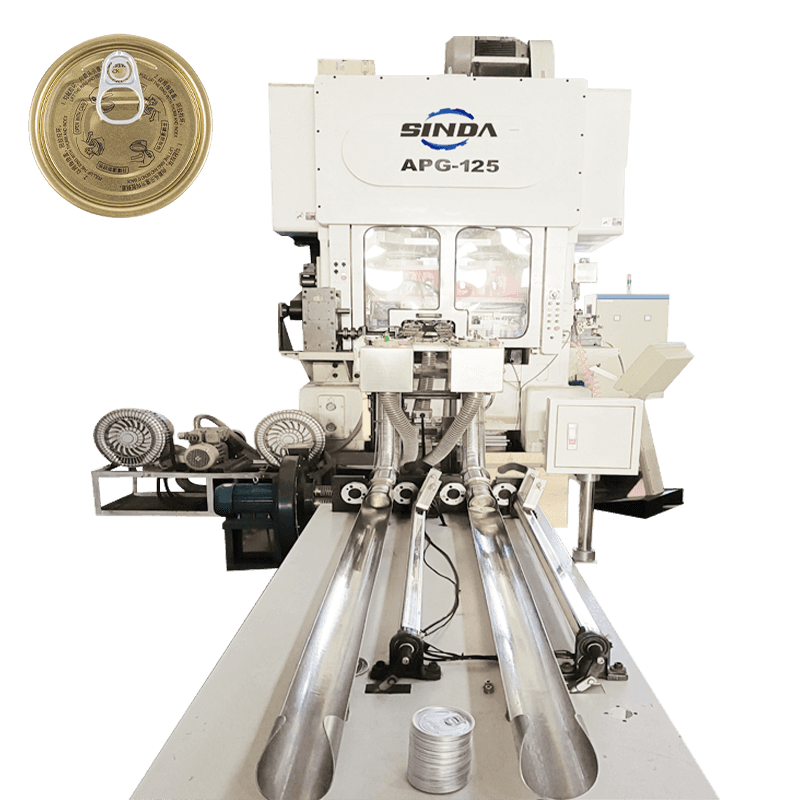
The forming machines are among the most important components of the twist-off lug cap production line. These machines use punches and dies to create the basic shape of the cap, as well as the lugs that allow the cap to twist onto a container. Over time, the punches and dies can become worn due to constant use, which can lead to inaccuracies in the forming process. To maintain the forming machines, it is essential to regularly inspect and replace worn components. The alignment of the forming dies should also be checked periodically to ensure that the cap is being formed correctly. Any misalignment can cause defects such as uneven lugs or improperly sized caps. Regular lubrication of the moving parts of the forming machine will also help reduce wear and keep the machine operating smoothly.
Proper Calibration of the Lug Formation Process
The lug formation process is another key stage in the production of twist-off lug caps. The lugs are formed using specialized dies that create the small ridges on the cap that allow it to grip the neck of the container. It is essential to ensure that the lugs are formed correctly to maintain the cap's ability to seal properly. Any deviation in the size or alignment of the lugs can result in defective caps that do not fit properly on the container. Regular checks should be performed on the lug forming dies to ensure that they are clean and properly aligned. If any damage or wear is detected, the dies should be replaced or repaired promptly to avoid production delays and defects. Adjusting the pressure and speed of the lug forming process can also help ensure that the lugs are shaped consistently and accurately.
Sealing and Liner Application
The sealing process is crucial in ensuring that twist-off lug caps provide an airtight seal when applied to containers. The liner, typically made of paper, plastic, or foil, is inserted into the cap and pressed into place during sealing. The sealing machine applies pressure and heat to bond the liner securely to the cap. It is important to regularly check the sealing equipment for signs of wear, especially the heat and pressure settings. Overheating or underheating can result in incomplete seals, while improper pressure may cause the liner to be unevenly applied. Additionally, the quality of the liner material should be inspected regularly to ensure it is in good condition and free from defects. If the liners are damaged or do not adhere properly, the sealing process should be adjusted to compensate for these issues.
Monitoring and Maintaining Packaging Systems
After the caps are formed and sealed, they must be packaged for distribution. The packaging system must be set up to handle the caps without causing any damage. This includes adjusting the conveyor belts, packaging machines, and labeling systems to ensure smooth operation. The packaging line should be checked regularly to make sure that it is operating at the correct speed and alignment. Any misalignment or malfunction in the packaging system can lead to product damage or improper labeling, which can affect product quality and customer satisfaction. Regular maintenance of the packaging machinery is essential to avoid breakdowns and ensure that the caps are packaged correctly and efficiently.
Addressing Common Production Issues
Even with regular adjustments and maintenance, there are several common issues that can arise during the production of twist-off lug caps. These include inconsistent cap sizes, poorly formed lugs, defective seals, and packaging errors. To address these issues, it is important to identify the root causes and make the necessary adjustments to the equipment. For example, if the caps are consistently too large or too small, it may indicate a problem with the forming machine or the material feeding system. If the lugs are misaligned or improperly formed, the lug formation dies may need to be adjusted or replaced. Similarly, if there are problems with the seals, the temperature and pressure settings of the sealing machine should be checked and adjusted as needed. Identifying and resolving these issues quickly is essential for maintaining production efficiency and product quality.
Regular Inspections and Preventative Maintenance
One of the most effective ways to maintain the performance of a twist-off lug cap production line is to establish a routine schedule for inspections and preventative maintenance. Regularly inspecting the equipment helps identify wear and tear before it leads to major problems, while preventative maintenance ensures that the machines are running at optimal levels. Components such as forming dies, punches, sealing machines, and packaging systems should all be inspected regularly for signs of damage or misalignment. Lubrication of moving parts and replacement of worn components should be part of the regular maintenance routine. In addition, the overall performance of the production line should be monitored to ensure that it is operating within the required specifications. Keeping detailed records of inspections and maintenance activities will help track the performance of the equipment over time and identify any recurring issues.
Training and Involving Operators in Maintenance
Proper training of operators is essential for ensuring that the production line runs smoothly and efficiently. Operators should be trained to recognize common issues that can arise during the production process and how to make adjustments to correct them. They should also be familiar with the maintenance schedule and understand the importance of regular inspections and lubrication. By involving operators in the maintenance process, manufacturers can help ensure that the production line remains in good working condition and that any issues are addressed promptly. Regular training sessions should be held to keep operators up to date with the latest procedures and technologies in twist-off lug cap production.
Using Data to Optimize Production Efficiency
Modern production lines often use data and automation to optimize performance and minimize downtime. By collecting data on key performance indicators (KPIs) such as machine speed, defect rates, and downtime, manufacturers can identify areas where the production process can be improved. For example, if data shows that a particular machine is frequently causing delays, it may be time to adjust the settings or invest in new equipment. Data can also help track the effectiveness of maintenance activities, ensuring that the production line remains efficient over time. By continuously monitoring and analyzing production data, manufacturers can make informed decisions that improve the overall performance of the production line.
Ensuring Long-Term Success in Twist-Off Lug Cap Production
Maintaining the efficiency and accuracy of a twist-off lug cap production line requires regular adjustments, maintenance, and monitoring. By carefully managing each stage of the production process, from material feeding to packaging, manufacturers can ensure that the caps are produced consistently and meet quality standards. Regular inspections, preventative maintenance, and training are essential for keeping the production line running smoothly. Additionally, by using data and automation to optimize the process, manufacturers can identify areas for improvement and increase production efficiency. With proper care and attention, a twist-off lug cap production line can remain a reliable and cost-effective part of the manufacturing process.