English
 عربى
عربى русский
Introduction to twist-off lug cap production lines
Twist-off lug caps are widely used in the beverage and food industries to provide secure closures for bottles. The production of these caps requires high precision, speed, and consistency. Modern twist-off lug cap production lines are designed to streamline the manufacturing process by integrating multiple functions such as automatic feeding, sorting, and packaging. These automated features reduce manual labor, improve efficiency, and maintain consistent product quality throughout the production cycle.
Automatic feeding mechanisms
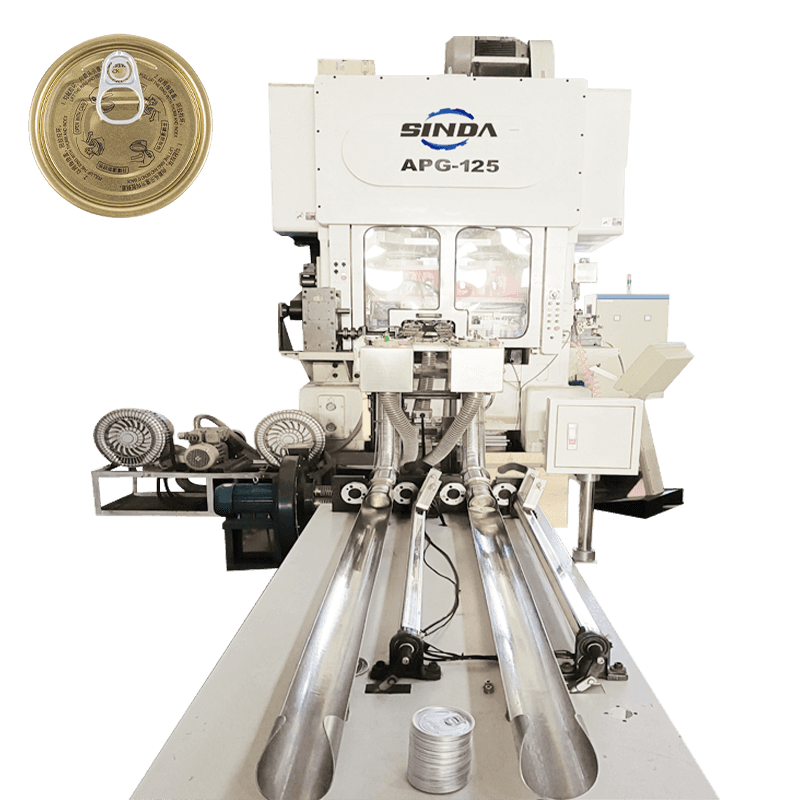
Automatic feeding is a critical component of a twist-off lug cap production line. Caps are typically supplied from bulk containers or hoppers, and the feeding system ensures that each cap is correctly oriented and delivered to the next stage of production. Vibratory feeders, rotary feeders, or conveyor-based systems are commonly used to achieve consistent and controlled feeding. By maintaining a steady flow of caps, the automatic feeding system reduces downtime and ensures that the production line operates at its intended speed.
Sorting functions for quality control
Sorting mechanisms are integrated to separate defective or misaligned caps from the production stream. Optical sensors, cameras, or mechanical guides detect caps that do not meet dimensional or visual standards. Rejected caps are diverted automatically, preventing defective products from reaching the packaging stage. This sorting function is essential for maintaining product consistency, protecting the end user, and minimizing waste. Effective sorting ensures that only compliant caps proceed through the production line, supporting overall efficiency and reliability.
Automation in packaging processes
Packaging automation completes the production cycle by arranging the finished twist-off lug caps into boxes, trays, or bulk containers for shipment. Automated packaging systems may include counting mechanisms, stacking conveyors, and robotic arms that handle caps with minimal human intervention. These systems maintain a steady pace, reduce manual handling errors, and prepare products for efficient storage or transport. Packaging automation also ensures that caps are organized neatly, reducing the risk of damage during shipment.
Integration of feeding, sorting, and packaging
Modern twist-off lug cap production lines are often fully integrated, with feeding, sorting, and packaging systems operating in a synchronized manner. Sensors and programmable logic controllers (PLCs) monitor the flow of caps, detect errors, and coordinate each stage to maintain a smooth production cycle. This integration reduces bottlenecks and ensures that each cap moves seamlessly from raw material input to final packaging. Integration also allows for easier adjustments to production speed or product type without extensive downtime.
Impact on production efficiency
Automation of feeding, sorting, and packaging significantly improves production efficiency. By minimizing manual intervention, the line can operate continuously at high speed. The consistent handling of caps reduces stoppages caused by jams or misalignment. Automated sorting reduces the number of defective products, minimizing rework and waste. Overall, the integration of these functions allows manufacturers to meet production targets with greater reliability and predictability.
Quality assurance considerations
Automated production lines support quality assurance by standardizing processes. Feeding systems ensure uniform cap orientation, reducing variations during capping operations. Sorting mechanisms identify defects early in the production cycle, preventing substandard caps from advancing. Packaging automation ensures proper arrangement and handling, protecting product integrity during storage and shipping. These features collectively maintain high product quality, reduce customer complaints, and enhance brand reputation.
Maintenance and operational reliability
Proper maintenance of the production line is essential for consistent operation. Automatic feeding, sorting, and packaging systems require periodic inspection of mechanical components, sensors, and conveyors. Lubrication, calibration, and cleaning prevent malfunctions and maintain efficiency. Operational reliability depends on regular upkeep, as even minor misalignment or sensor failure can disrupt the production cycle. Maintenance schedules and prompt troubleshooting contribute to continuous and dependable performance.
Adaptability for different cap types
Twist-off lug cap production lines are designed to accommodate variations in cap size, material, and design. Adjustments to feeding trays, sorting sensors, and packaging equipment allow the line to handle different products without extensive modifications. This adaptability ensures that manufacturers can produce multiple cap specifications using the same production line. Automated controls enable quick changeovers, reducing downtime and supporting flexible production planning.
Environmental and safety considerations
Automation also enhances workplace safety by reducing direct human interaction with moving machinery. Enclosed feeding and packaging systems minimize the risk of injury from rotating parts or high-speed conveyors. Additionally, automated handling reduces material wastage, contributing to more environmentally responsible production. Safety interlocks, emergency stops, and protective covers are often integrated to ensure compliance with industry standards and protect workers.
Performance monitoring and data collection
Modern production lines include sensors and software for real-time monitoring of feeding, sorting, and packaging performance. Data on production speed, defect rates, and system downtime can be collected and analyzed. This information supports continuous improvement initiatives, allowing manufacturers to optimize efficiency, reduce waste, and plan maintenance proactively. Monitoring systems also facilitate traceability, providing valuable insights for quality control and operational decision-making.
| Function | Role in Production Line | Best Practices |
|---|---|---|
| Automatic feeding | Ensures consistent orientation and flow of caps | Use vibratory or conveyor-based feeders and maintain proper alignment |
| Sorting | Removes defective or misaligned caps from the stream | Install optical or mechanical detection systems and perform regular calibration |
| Packaging | Arranges finished caps into containers for shipment | Utilize robotic or conveyor systems and ensure proper stacking procedures |
| Integration | Coordinates feeding, sorting, and packaging for smooth production | Employ PLC controls and real-time monitoring to prevent bottlenecks |
| Maintenance | Maintains reliability and operational efficiency | Conduct regular inspections, lubrication, and cleaning of all components |