English
 عربى
عربى русский
Introduction to Aerosol Tin Can Production Lines
The aerosol tin can production line is an essential part of manufacturing aerosol containers, which are widely used for packaging products such as paints, deodorants, cleaning products, and pharmaceuticals. The process of creating these cans involves a series of steps, from shaping the tinplate to filling the can with the desired product and sealing it. The efficiency of these production lines plays a crucial role in ensuring that the final products meet industry standards and are produced at a competitive rate. In addition to production efficiency, the ease of operation for workers is another critical aspect that manufacturers must consider when designing these production lines. By focusing on both efficiency and user-friendliness, companies can improve overall productivity while ensuring a safe and ergonomic working environment for employees.
Design and Workflow of an Aerosol Tin Can Production Line
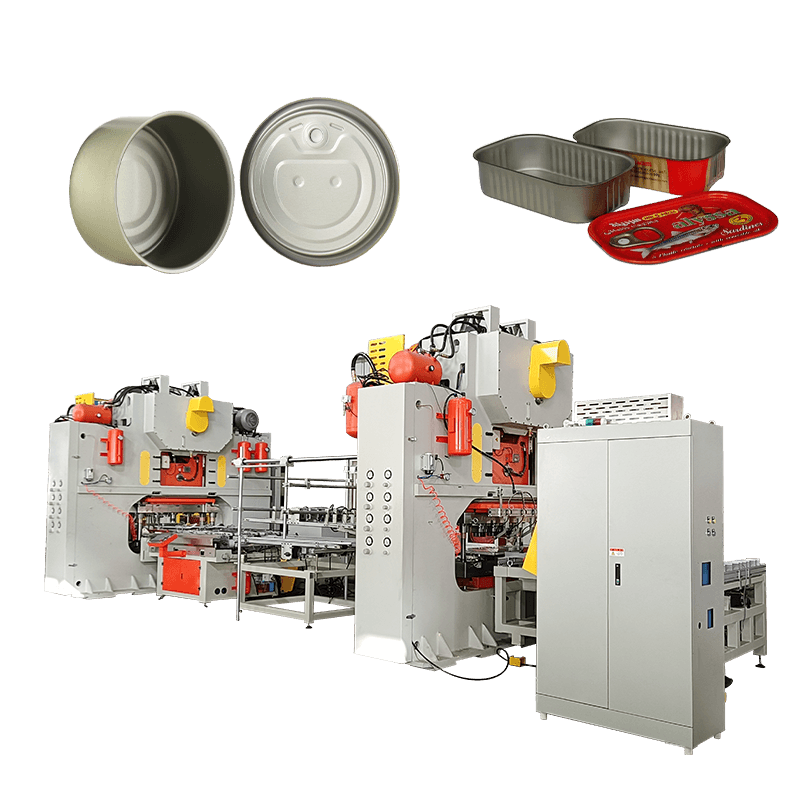
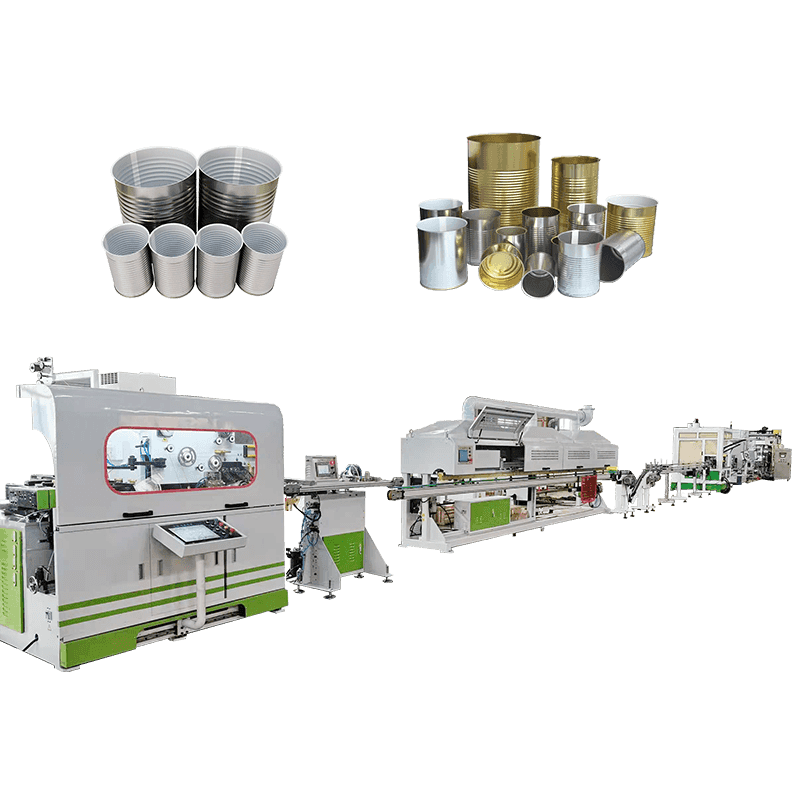
The design of an aerosol tin can production line is built around the goal of maximizing throughput while maintaining high-quality standards. The production process typically includes several stages, such as feeding and unrolling tinplate, shaping the can body, welding the side seams, creating the can's top and bottom, and finally, filling and sealing the can. Each of these stages must be carefully integrated into a continuous, automated workflow to minimize downtime and maximize productivity.
One of the key factors that contribute to production efficiency is the use of automation. Modern aerosol tin can production lines rely heavily on automated machinery, which reduces the need for manual labor and enhances the speed and accuracy of the process. The automation of repetitive tasks, such as feeding raw materials, welding seams, or applying coatings, ensures that the production line operates at a consistent pace without interruptions. This also helps reduce human error and increases the overall output of the production line.
Production Efficiency in Aerosol Can Manufacturing
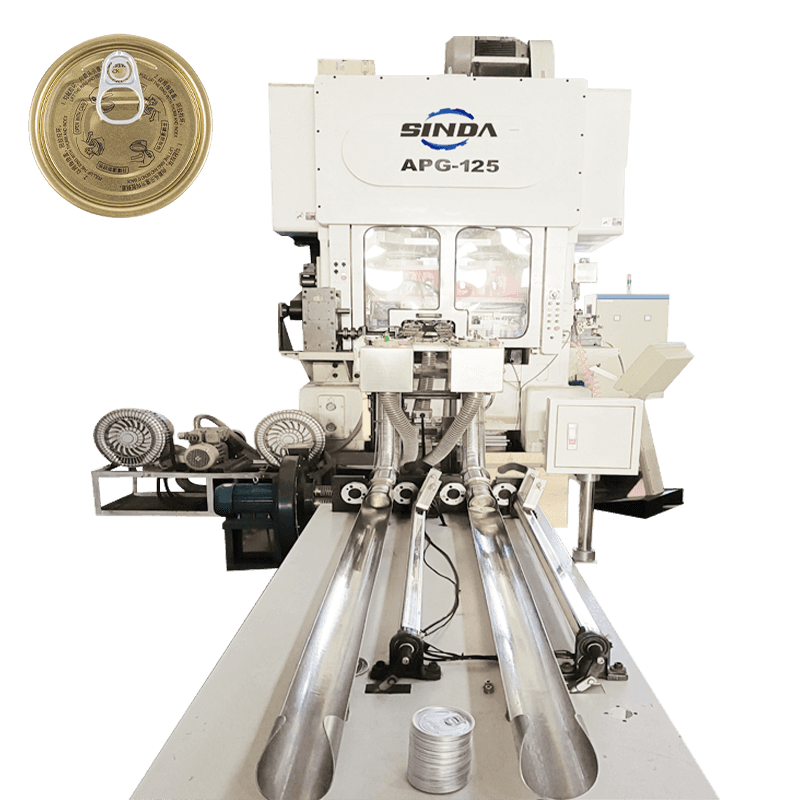
Production efficiency is a primary consideration when designing an aerosol tin can production line. Manufacturers aim to maximize output while minimizing the time and resources required for each can. To achieve this, the production line is optimized for speed and precision. Automated machines are used to perform tasks such as cutting, shaping, and welding, which allows for continuous production at a high rate of speed. Additionally, the use of advanced technologies such as sensors and control systems ensures that the machines operate smoothly and maintain consistent quality.
The production efficiency of an aerosol tin can production line is also influenced by the layout and design of the equipment. An effective production line is carefully planned to ensure that the different stages of the manufacturing process are organized in a logical sequence. This minimizes unnecessary movement of materials and components, which can slow down production and increase costs. The design also ensures that workers can easily monitor and maintain the equipment without disrupting the flow of production.
Another important factor that contributes to production efficiency is the optimization of raw materials usage. The aerosol can production process involves the use of tinplate, coatings, and other materials, which must be carefully managed to prevent waste. Modern production lines employ advanced inventory management systems that track raw material usage and ensure that the right amounts of materials are used at each stage of production. This helps reduce material waste and ensures that production is both efficient and cost-effective.
Ensuring Ease of Operation for Workers
While maximizing production efficiency is important, it is equally essential to ensure that the production line is designed with the ease of operation for workers in mind. A production line that is difficult to operate or maintain can lead to increased downtime, decreased productivity, and safety risks. Therefore, manufacturers must prioritize ergonomics and usability when designing their aerosol tin can production lines.
One of the key aspects of ease of operation is the user interface. Modern production lines are equipped with control panels and touchscreens that allow operators to easily monitor and adjust machine settings. These user-friendly interfaces provide real-time data on the performance of the production line, including information on machine speed, product quality, and any potential issues that may arise. By providing operators with clear and concise information, these interfaces help workers make informed decisions and respond quickly to any problems.
Another important consideration is the physical layout of the production line. An ergonomically designed production line ensures that workers can perform their tasks without unnecessary strain or discomfort. For example, the height of workstations should be adjustable to accommodate workers of different sizes and reduce the risk of musculoskeletal injuries. The positioning of controls and tools should also be optimized to minimize the need for workers to bend, stretch, or reach excessively. This not only helps prevent workplace injuries but also improves efficiency by reducing the time workers spend on each task.
Reducing Downtime and Improving Maintenance Procedures
Downtime is a significant factor that can impact the overall efficiency of an aerosol tin can production line. Unplanned stoppages, whether due to machine malfunctions or maintenance needs, can reduce production rates and lead to costly delays. To mitigate downtime, the production line is designed with reliability and ease of maintenance in mind. Regular maintenance schedules, along with predictive maintenance technologies, ensure that equipment is kept in optimal working condition, reducing the likelihood of unexpected breakdowns.
In addition to routine maintenance, many production lines are equipped with self-diagnostic systems that can identify potential issues before they result in downtime. These systems continuously monitor the performance of key components, such as motors, conveyors, and sensors, and alert operators to any irregularities. This allows maintenance teams to address issues proactively, reducing the amount of time the production line is halted for repairs.
The design of the production line also facilitates easy access to equipment for maintenance purposes. For example, components that require frequent servicing, such as pumps or filters, are placed in easily accessible locations. This makes it quicker and easier for workers to perform maintenance tasks without disrupting the production process. Additionally, some production lines are designed with modular components that can be easily swapped out or replaced in the event of a failure, further minimizing downtime.
Automation and Worker Safety
In addition to improving production efficiency and ease of operation, automation plays a key role in ensuring the safety of workers. The aerosol tin can production process involves heavy machinery and high-speed operations, which can pose risks to workers if not properly managed. By automating repetitive tasks and implementing safety features, manufacturers can reduce the likelihood of workplace accidents and create a safer working environment.
For example, robotic arms and automated conveyors are often used to handle materials and move cans through the production line. This reduces the need for workers to handle dangerous or heavy components manually, minimizing the risk of injury. Safety sensors and emergency stop mechanisms are also incorporated into the production line to quickly halt operations in the event of an emergency, preventing accidents or injuries from occurring.
Furthermore, safety training and personal protective equipment (PPE) are essential elements of a safe working environment. Workers should be trained to operate machinery safely and be familiar with the safety protocols in place. PPE, such as gloves, goggles, and hearing protection, should be provided to workers to protect them from potential hazards, such as flying debris or exposure to noise.
Enhancing Flexibility for Different Production Requirements
Aerosol tin can production lines must be flexible enough to handle various production requirements, including changes in product sizes, materials, and production volumes. This flexibility is essential for ensuring that the production line can meet the demands of different customers and adapt to changing market conditions.
To accommodate different can sizes, modern production lines are often equipped with adjustable molds and dies that can be quickly swapped out to produce different can dimensions. This allows manufacturers to produce a wide range of aerosol cans without needing to overhaul the entire production line. Additionally, some production lines are designed to handle multiple types of tinplate or coatings, giving manufacturers the ability to switch between materials depending on the needs of the customer.
Production lines are also designed to handle varying production volumes. In times of high demand, the production line can be ramped up to produce a larger quantity of cans, while during slower periods, the line can be scaled back to meet reduced demand. This flexibility ensures that manufacturers can maintain production efficiency and meet customer needs without overproducing or underproducing.
Balancing Efficiency and Ease of Operation
The design of an aerosol tin can production line must strike a balance between production efficiency and ease of operation for workers. By incorporating automation, user-friendly interfaces, and ergonomic considerations, manufacturers can create production lines that operate at high speeds while maintaining high safety standards and reducing the risk of worker injury. Additionally, minimizing downtime through proactive maintenance and ensuring flexibility in the production process allows manufacturers to adapt to changing demands and continue meeting customer expectations. Overall, a well-designed aerosol tin can production line is essential for achieving both high production efficiency and a positive working environment.