English
 عربى
عربى русский
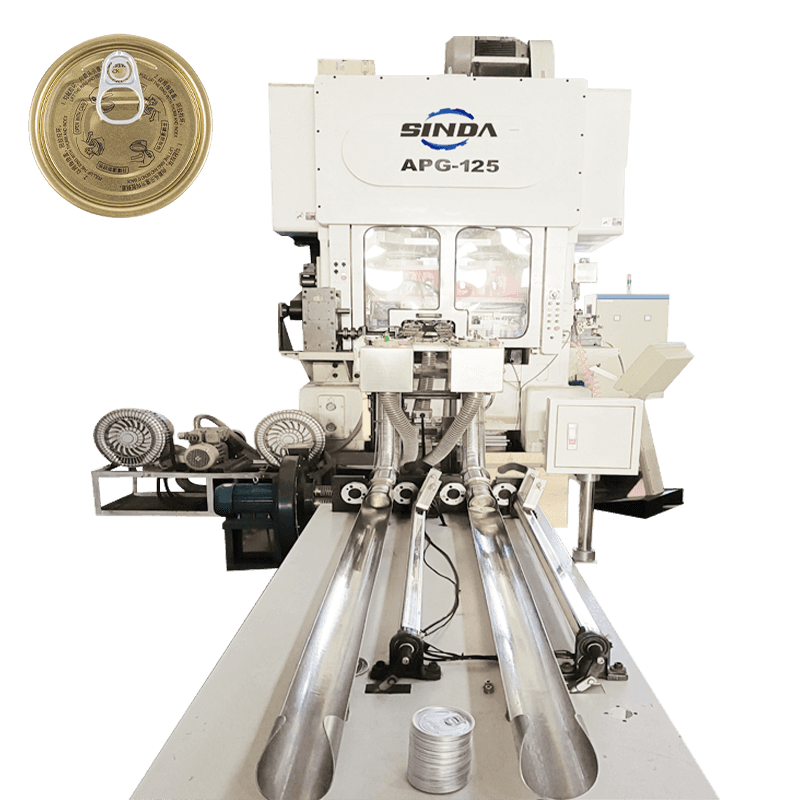
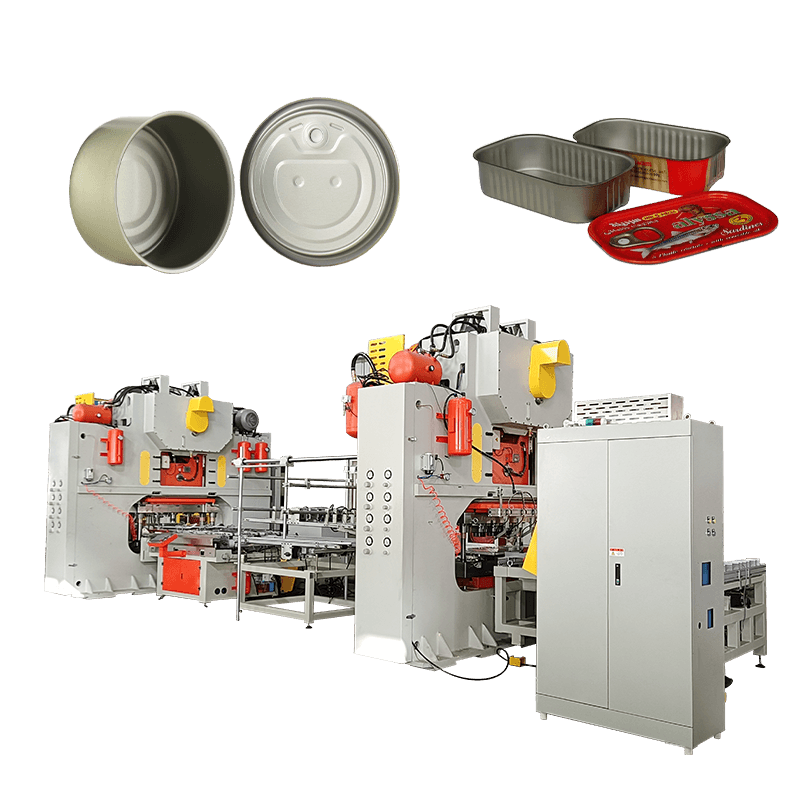
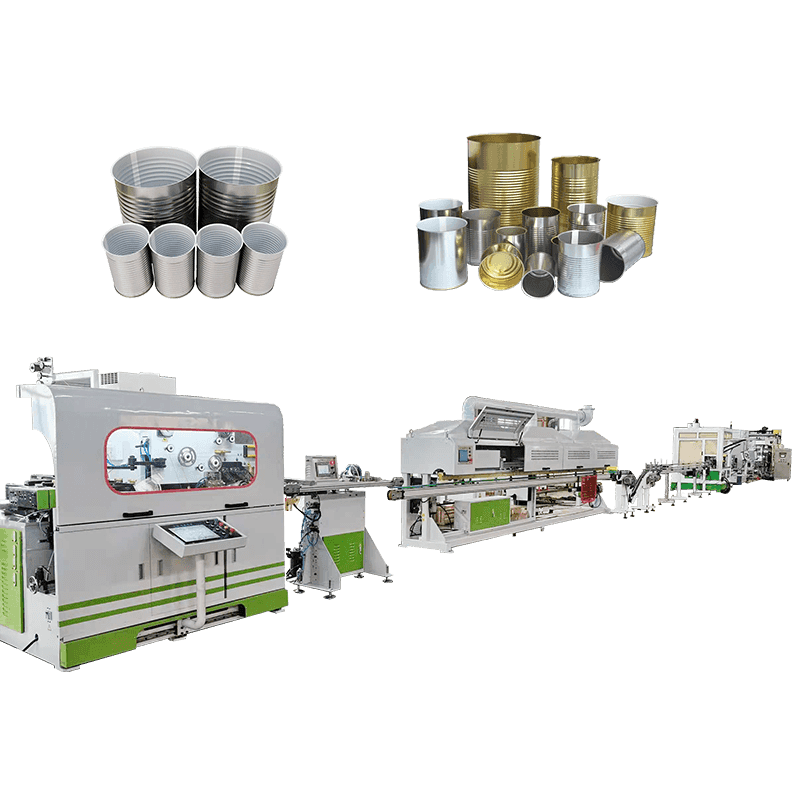
Introduction to Chemical Tin Can Making Machines
Chemical tin can making machines are specialized pieces of equipment used in the manufacturing of metal cans, primarily for industrial and consumer packaging purposes. These machines play a crucial role in the chemical tin can production line, converting metal sheets into finished tin cans that can be used for storing various products, such as food, beverages, chemicals, and more. The versatility of these machines is a key factor in their effectiveness, as they need to handle metal sheets of different materials and thicknesses to accommodate the varying requirements of the packaging industry.
The Role of Material Flexibility in Chemical Tin Can Production
One of the critical aspects of a chemical tin can making machine is its ability to process different types of metal sheets. The raw material for manufacturing tin cans is typically a type of steel or aluminum that has been coated with a layer of tin. These metal sheets come in various thicknesses and materials, and the machine must be able to adapt to these variations to ensure smooth and efficient production. The materials used in tin can production vary depending on the application of the can, the contents it will hold, and the desired durability and strength.
The ability to process metal sheets of different materials and thicknesses ensures that the tin can production line can meet the specific needs of different industries. This versatility is essential in producing cans with the appropriate characteristics, such as corrosion resistance, strength, and ease of handling. A flexible and adaptable chemical tin can making machine is capable of maintaining high levels of efficiency and accuracy, regardless of the material or thickness of the metal sheets used in the production process.
Key Materials Used in Chemical Tin Can Production
In chemical tin can making, there are several types of metals and materials that are commonly used. Each of these materials has its unique properties, which contribute to the overall performance and suitability of the final product. Some of the key materials used include:
- Steel: Steel is one of the most commonly used materials in tin can production. It is often coated with a layer of tin to prevent corrosion and improve the can's overall strength and durability. Steel provides excellent structural integrity and is used for products that require more robust packaging, such as industrial chemicals or heavy-duty applications.
- Aluminum: Aluminum is another popular material used in tin can production. It is lightweight, corrosion-resistant, and easy to process. Aluminum cans are commonly used in the beverage and food industries because they offer a good balance of strength and weight. Aluminum cans are also known for their recyclability, making them an environmentally friendly choice.
- Coated Steel: Coated steel combines the strength of steel with the corrosion resistance of a tin coating. This material is often used for cans that require additional protection against moisture, chemicals, and other external factors that could impact the quality of the contents.
- Stainless Steel: Stainless steel is used in specialized applications, particularly in the chemical industry, where cans must be resistant to harsh chemicals and extreme temperatures. Stainless steel cans are more expensive but are preferred for packaging high-value products or those that require additional protection.
Different Thicknesses of Metal Sheets in Tin Can Manufacturing
The thickness of the metal sheet used in the production of chemical tin cans plays a significant role in determining the strength, weight, and durability of the final product. Different applications require cans with varying thicknesses to ensure they can withstand the intended use. For example, cans used for soft drinks or food products typically have a thinner gauge, while cans used for chemicals or industrial products may require thicker sheets for additional strength and protection.
The capability of chemical tin can making machines to handle metal sheets of different thicknesses is essential for maintaining production efficiency. Machines that can adjust to varying material thicknesses allow manufacturers to produce a wide range of can sizes and types without needing to switch to different machines or tooling for each specific thickness. This flexibility helps optimize the production line and minimize downtime.
Thicker metal sheets require more force and pressure during the forming process, as they are less pliable than thinner sheets. Therefore, the machine must be capable of adjusting its operating parameters, such as pressure, temperature, and speed, to accommodate these variations without compromising the quality of the can.
How Chemical Tin Can Making Machines Handle Different Materials and Thicknesses
To ensure the production process runs smoothly, chemical tin can making machines are designed with several key features that allow them to handle metal sheets of varying materials and thicknesses. These features include:
- Adjustable Pressure Systems: The ability to adjust the pressure applied to the metal sheet is crucial when processing materials of different thicknesses. Thicker sheets require higher pressure to achieve the desired shape, while thinner sheets require less force to avoid deformation. Chemical tin can making machines are typically equipped with hydraulic or mechanical systems that allow for fine adjustments to pressure levels.
- Flexible Tooling: Tooling refers to the dies and molds used in the production of tin cans. Machines capable of handling different materials and thicknesses often feature interchangeable or adjustable tooling. This allows manufacturers to change the size or shape of the tooling depending on the material or thickness of the sheet, ensuring consistent quality and a good fit for the final product.
- Temperature Control: Some metal materials, particularly steel, require controlled temperatures to achieve the correct form. The machine’s temperature control system helps maintain the appropriate heat levels to ensure that the metal sheets can be processed without cracking or losing strength.
- Variable Speed Controls: Adjusting the speed of the production line is another important feature of chemical tin can making machines. Thicker sheets often require slower speeds to allow for proper forming, while thinner sheets can be processed at higher speeds. The machine must be able to accommodate these variations to ensure a smooth and efficient production process.
Advantages of Versatile Chemical Tin Can Making Machines
The ability to process metal sheets of different materials and thicknesses offers several advantages for manufacturers. These advantages include:
- Increased Production Flexibility: Machines that can handle a variety of materials and thicknesses offer greater flexibility in production. Manufacturers can easily switch between different types of metal sheets without needing to invest in multiple machines or make extensive adjustments to the production line.
- Cost Efficiency: With the ability to process a wide range of materials, manufacturers can source raw materials more efficiently and reduce production costs. This also allows for more efficient use of materials, minimizing waste.
- Improved Product Quality: Machines that are capable of handling different materials and thicknesses with precision result in higher-quality tin cans. The ability to adjust parameters like pressure, temperature, and speed ensures that the cans maintain their structural integrity and meet the necessary standards for packaging.
- Faster Production Times: Flexible machines that can process a range of materials and thicknesses reduce the need for time-consuming changes between production runs. This leads to shorter setup times and a more streamlined production process, resulting in higher overall output.
Comparison of Materials and Thicknesses for Chemical Tin Can Production
| Material | Thickness Range | Applications |
| Steel | 0.2 mm - 0.5 mm | Industrial chemicals, heavy-duty products |
| Aluminum | 0.1 mm - 0.3 mm | Beverages, food packaging, light applications |
| Coated Steel | 0.3 mm - 0.6 mm | Food products, corrosion-resistant cans |
| Stainless Steel | 0.4 mm - 1 mm | Chemicals, high-value products |