English
 عربى
عربى русский
Introduction to Food Tin Can Production Lines
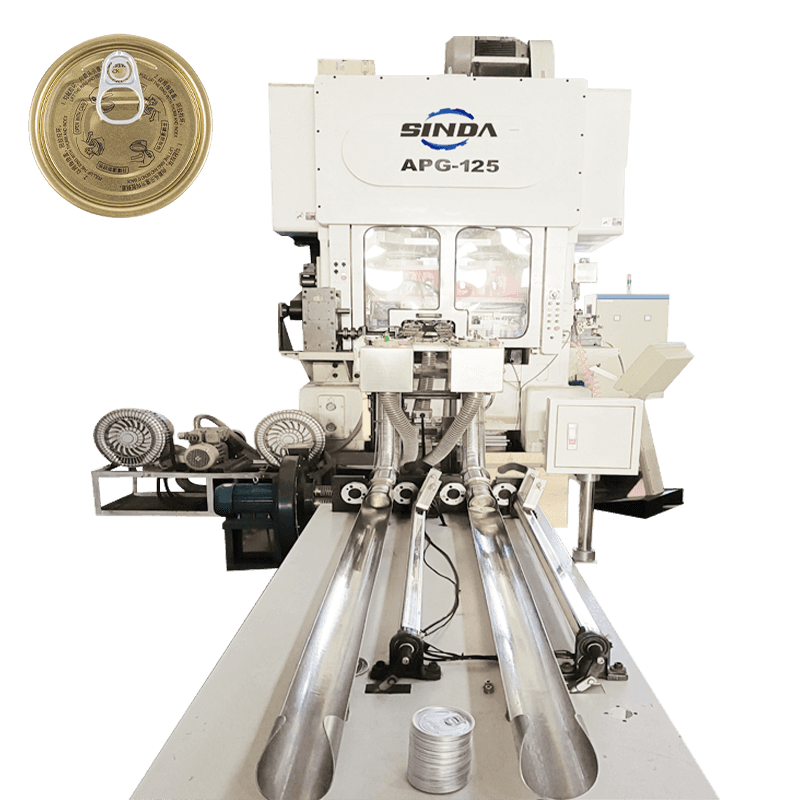
Food tin can production lines are designed to manufacture, assemble, and seal metal cans for food products. These production lines integrate multiple processes including can body forming, lid making, filling, seaming, and quality inspection. Each stage is carefully controlled to maintain airtightness and ensure that the canned goods comply with food safety standards. By integrating precision machinery and automated monitoring, food tin can production lines provide consistent packaging that protects the contents from contamination and preserves freshness over time.
Can Body and Lid Manufacturing in Food Tin Can Production Lines
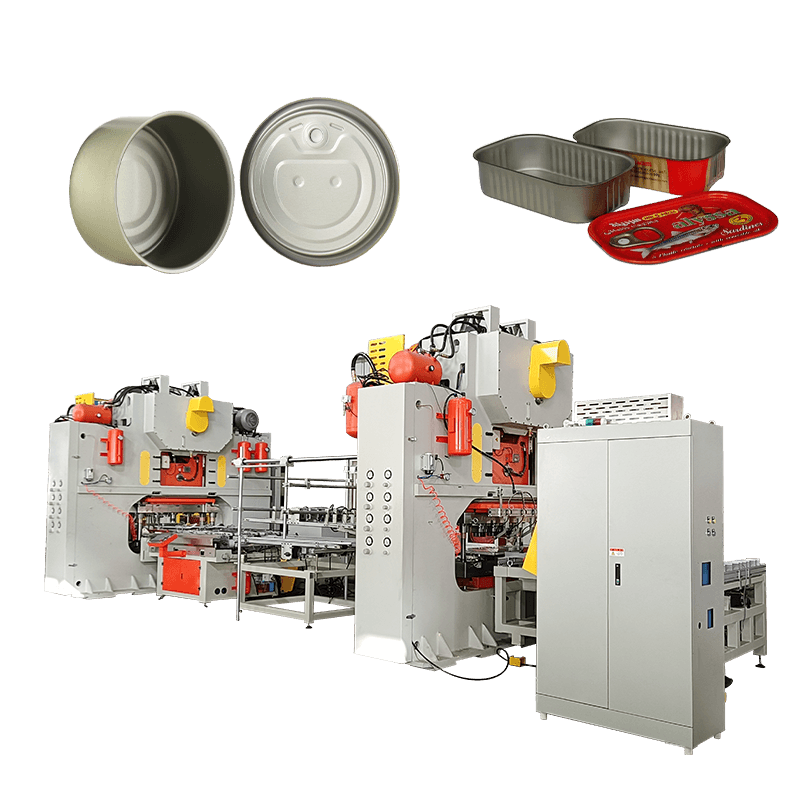
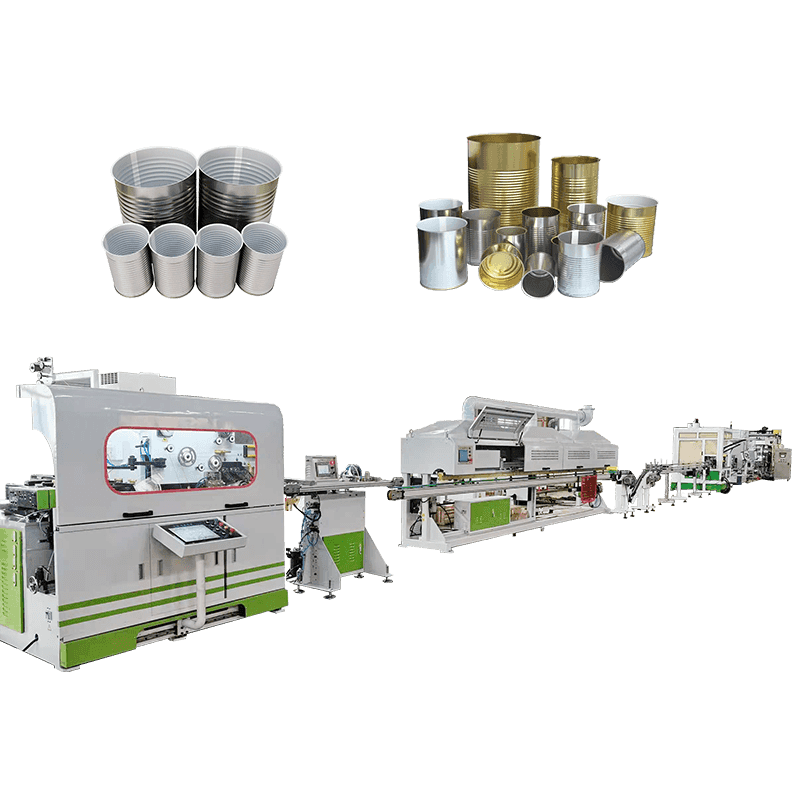
The production of can bodies and lids is a foundational step in guaranteeing airtight packaging. Food tin can production lines use food-grade tinplate or aluminum materials that comply with regulatory hygiene standards. Precision forming ensures uniform wall thickness and structural integrity, reducing the risk of leaks or weak points. The lid and body designs are engineered to provide a secure fit during seaming, supporting airtightness. Reliable material and accurate manufacturing processes contribute to the stability and durability of the finished cans in food tin can production lines.
Filling Process and Contamination Control
Automated filling is essential for maintaining food safety in food tin can production lines. Modern filling machines accurately dispense the product into cans while minimizing human contact, reducing contamination risks. Filling occurs in controlled environments to prevent exposure to dust, microorganisms, and other hazards. Maintaining consistent fill levels also ensures that the internal pressure of each can is balanced, supporting proper sealing and preserving the product. By managing the filling process carefully, food tin can production lines enhance both the safety and shelf life of the canned goods.
Seaming and Airtightness Assurance
The seaming stage is critical for guaranteeing airtightness in food tin can production lines. High-precision seaming machines fold and press the lid edges onto the can body to form a hermetic seal. Sensors and monitoring systems check seam alignment, tightness, and uniformity. Proper seaming prevents leaks that could compromise both shelf life and food safety. Continuous monitoring ensures that each can meets the required airtightness standards, contributing to reliable and consistent quality across the production line.
Food Safety Compliance in Food Tin Can Production Lines
All processes within food tin can production lines are designed to comply with national and international food safety standards. Materials and machinery in contact with food are made from stainless steel or other approved substances to minimize contamination risk. Sanitary design, automated systems, and controlled production environments further ensure that food safety standards are met. Testing for defects, foreign particles, and microbial presence is integrated into the production line to confirm that each batch of canned goods is safe for consumption.
Key Processes and Food Safety Measures
| Process | Food Safety Measure | Impact on Airtightness and Safety |
|---|---|---|
| Can Body Formation | Use of food-grade materials and precision forming | Ensures structural integrity and leak resistance in food tin can production lines |
| Lid Production | Uniform thickness and precision cutting | Facilitates secure and consistent sealing |
| Filling | Automated filling in controlled environment | Reduces contamination risk and maintains correct internal pressure |
| Seaming | High-precision seaming with real-time monitoring | Guarantees airtightness and prevents leaks |
| Inspection | Testing for defects, foreign particles, and microbial presence | Ensures safety and compliance with standards |
Inspection and Quality Control
After seaming, each can is subjected to inspection and quality control to maintain the standards of food tin can production lines. Methods such as visual inspection, leak testing, and pressure testing verify airtightness and structural integrity. Automated inspection systems with cameras and sensors identify defects in real-time. These procedures ensure that only cans meeting all standards for safety and airtightness move forward in the production line, supporting consistent product quality.
Packaging and Storage Considerations
Proper handling, packaging, and storage are essential to maintain airtightness and food safety after production. Cans are carefully packaged to prevent deformation or damage during transport, and storage conditions such as temperature and humidity are controlled. Proper stacking prevents stress on seams and lids. By combining careful handling with the high-quality processes of food tin can production lines, the integrity of the canned products is preserved until they reach consumers.
Advantages of Automated Food Tin Can Production Lines
Automation in food tin can production lines ensures precision, consistency, and hygiene. Sensors and feedback mechanisms monitor critical parameters such as seam tightness, fill levels, and material quality. Automated adjustments maintain compliance with food safety standards and airtightness requirements. Reduced human contact minimizes contamination risk, while consistent mechanical processes enhance reliability across large-scale production, supporting both efficiency and product safety.
Table: Common Safety and Airtightness Assurance Techniques
| Technique | Description | Purpose |
|---|---|---|
| Automated Seaming Monitoring | Sensors detect seam irregularities and misalignment | Ensures airtight seal consistency in food tin can production lines |
| Leak Testing | Pressurized air or vacuum applied to detect leaks | Identifies compromised cans before packaging |
| Microbial Testing | Sampling of products to detect contamination | Maintains food safety standards |
| Precision Filling | Consistent product volume control | Prevents underfilling or overfilling, supporting proper internal pressure |
| Material Inspection | Verification of food-grade metal quality | Prevents chemical contamination and ensures structural integrity |
Airtightness and Food Safety
Food tin can production lines are designed to ensure both airtightness and compliance with food safety standards. Through precise material selection, automated filling, high-quality seaming, and rigorous inspection, these production lines maintain the integrity and safety of canned goods. By combining automation, real-time monitoring, and proper handling, food tin can production lines consistently deliver reliable products that meet regulatory standards and consumer expectations.