English
 عربى
عربى русский
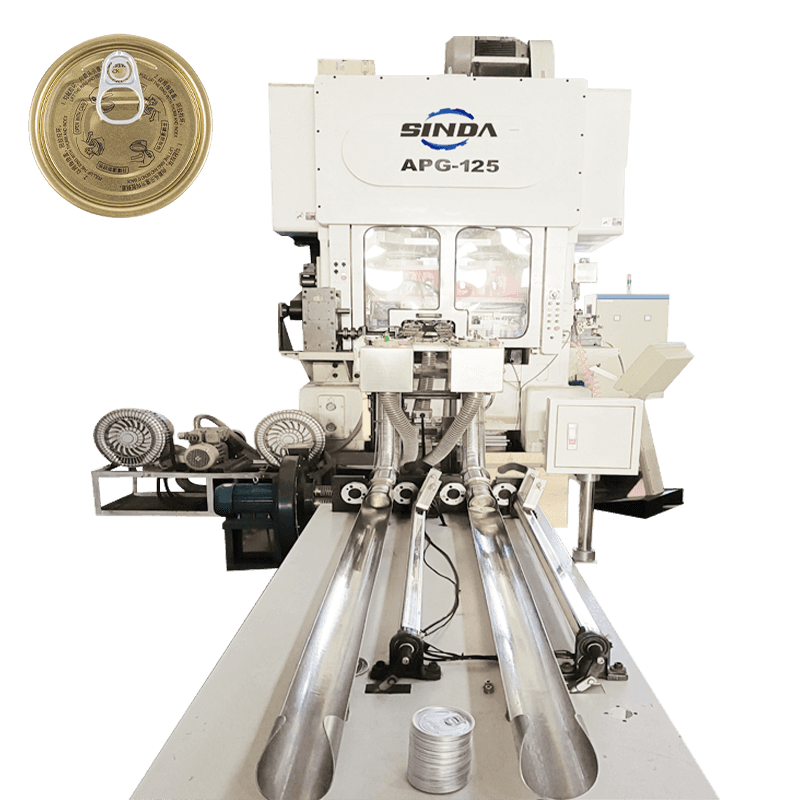
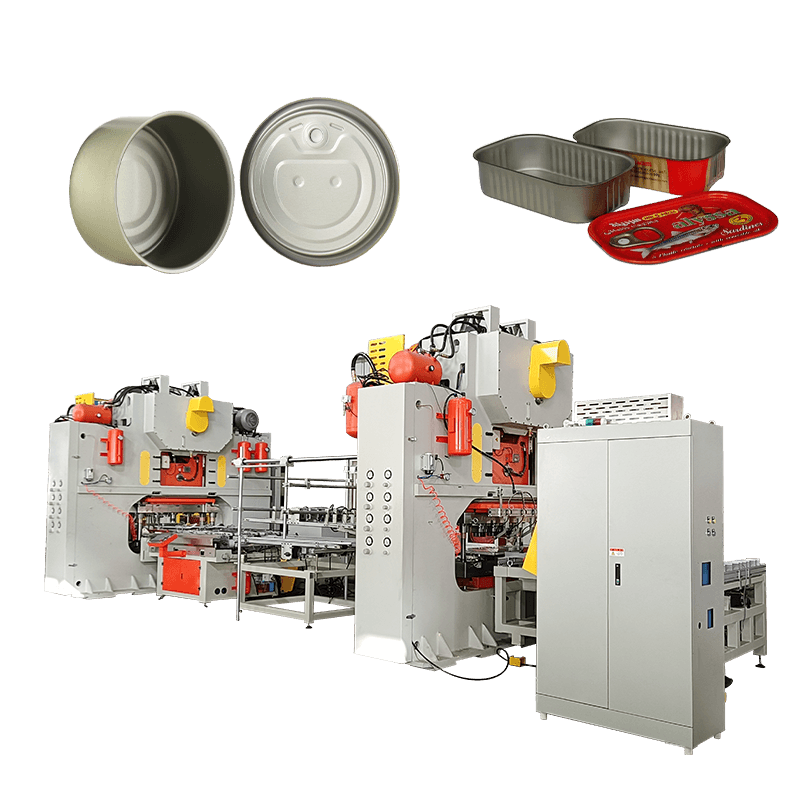
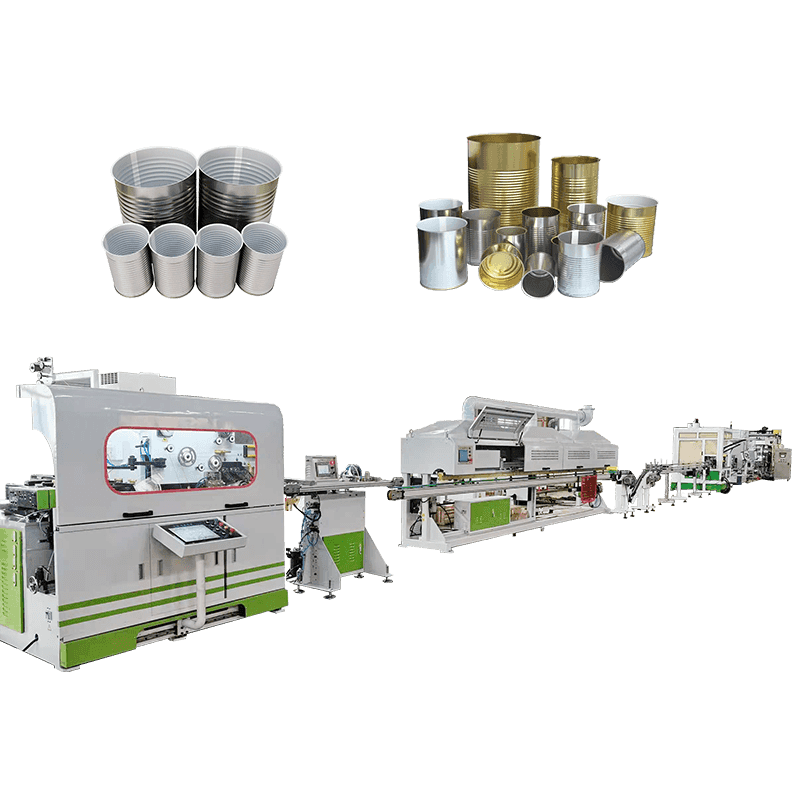
Overview of 2 Piece DRD Can Production Line
The 2 Piece DRD Can Production Line is designed to manufacture high-quality aluminum cans efficiently, commonly used in beverages, food packaging, and aerosols. This technology allows for precise control over can dimensions and wall thickness, ensuring durability and lightweight performance.
The production line integrates advanced forming, ironing, and trimming processes, producing cans with consistent wall thickness, smooth surfaces, and reliable sealing properties. A modern DRD line can produce up to 800 cans per minute per machine depending on the can diameter and height.
Key Components of the DRD Can Production Line
Blanking Press
The process starts with a blanking press, which cuts aluminum sheets into circular blanks. These blanks are then fed into the bodymaker for the DRD process. Precision in blank diameter is crucial to avoid variations in wall thickness.
Bodymaker with Draw-Redraw Mechanism
The bodymaker performs the draw-redraw operation, transforming the aluminum blank into a cylindrical can. Draw-redraw ensures uniform wall thickness, prevents wrinkling, and allows production of taller cans without compromising strength. The bodymaker often has multiple stations to progressively shape and thin the can body.
Ironing and Wall Reduction Units
Ironing rings reduce the wall thickness while extending the can’s height. This process increases can volume without adding material, improving cost efficiency. Typical wall reduction ratios can achieve 0.2–0.3 mm thickness for standard beverage cans.
Trimming and Necking Units
After ironing, cans are trimmed to precise heights and necked if required for easy end-sealing. Automated trimming ensures height tolerances within ±0.1 mm, critical for consistent filling and seaming operations.
Washer and Inspection Stations
Cans pass through washers to remove lubricants and metal debris. Inline inspection systems detect surface defects, dents, or wall thickness variations. High-speed cameras and laser gauges ensure quality control in real-time.
Production Workflow
The DRD can production line follows a structured workflow to maximize efficiency:
- Aluminum Coil Feeding: Continuous feeding of aluminum coils to blanking press.
- Blanking: Cutting circular blanks of precise diameter.
- Draw-Redraw Forming: Progressive shaping into cylindrical cans while maintaining uniform wall thickness.
- Ironing: Reducing wall thickness and increasing can height.
- Trimming & Necking: Achieving uniform height and preparing can neck for end closure.
- Washing & Lubricant Removal: Ensuring clean surfaces for coating or printing.
- Inspection & Quality Control: Detecting defects, thickness variations, and dimensional accuracy.
- Stacking & Delivery: Organizing cans for downstream printing, coating, or filling operations.
Performance Metrics and Efficiency
Modern 2 Piece DRD production lines achieve remarkable efficiency. Key performance indicators include:
| Parameter | Typical Value | Notes |
|---|---|---|
| Output Rate | 600–800 cans/min | Depends on can size |
| Wall Thickness | 0.2–0.3 mm | Uniform throughout body |
| Height Tolerance | ±0.1 mm | Critical for filling & sealing |
| Rejection Rate | <1% | Detected by inline inspection |
Automation and Control Systems
Modern DRD production lines incorporate advanced automation and PLC control systems. Features include:
- Automated can feeding and transfer systems to reduce manual intervention.
- Inline monitoring of wall thickness, height, and surface defects.
- Remote diagnostics and predictive maintenance features to minimize downtime.
- Synchronization with downstream coating, printing, and filling lines for seamless production.
Material Efficiency and Cost Savings
DRD technology allows for lightweighting of cans without compromising structural integrity. Typical material savings can reach 10–15% compared to conventional draw-die processes. This reduces raw material costs while maintaining strength for handling, stacking, and filling operations.
Additionally, low rejection rates and efficient inline inspection contribute to overall cost savings, making the 2 Piece DRD line a preferred choice for high-volume beverage and food can production.